
Why Finding the Right Senior Care in Home Near Me Can Change Everything
Senior care in home near me is one of the most important searches a family caregiver can make — and the answer you find can shape your loved one’s quality of life for years to come.
Here’s a quick overview of what in-home senior care typically includes:
- Companion care — conversation, activities, and emotional support
- Personal care — bathing, grooming, dressing, and hygiene
- Specialized care — Alzheimer’s, dementia, and Parkinson’s support
- Respite care — temporary relief for family caregivers
- 24/7 or live-in care — around-the-clock support for higher needs
- Transitional care — help returning home safely after a hospital stay
To find care near you, start here:
- Search the Eldercare Locator at 1-800-677-1116
- Research local providers through reputable online directories and reviews
- Contact local agencies directly for a free in-home consultation
The reality is that most families feel overwhelmed when they first start looking. There are dozens of providers, confusing terminology, and no clear starting point. And the stakes feel high — because they are.
At Premier Homecare Angels, we’ve spent years delivering professional, compassionate in-home care to seniors across Alameda County, San Leandro, Berkeley, Oakland, and the broader Bay Area — making us a trusted resource for families searching for senior care in home near me. In this guide, we’ll walk you through the seven most important things to know before you choose a provider.
Terms related to senior care in home near me:
- 24 hour care for the elderly in their own home
- affordable live in homecare
- senior home care agencies
1. Understand the Different Types of Senior Care in Home Near Me
When you begin searching for senior care in home near me, you’ll quickly realize that “home care” isn’t a single service, but a spectrum of support tailored to your loved one’s specific needs. Understanding these categories is the first step toward making an informed decision.

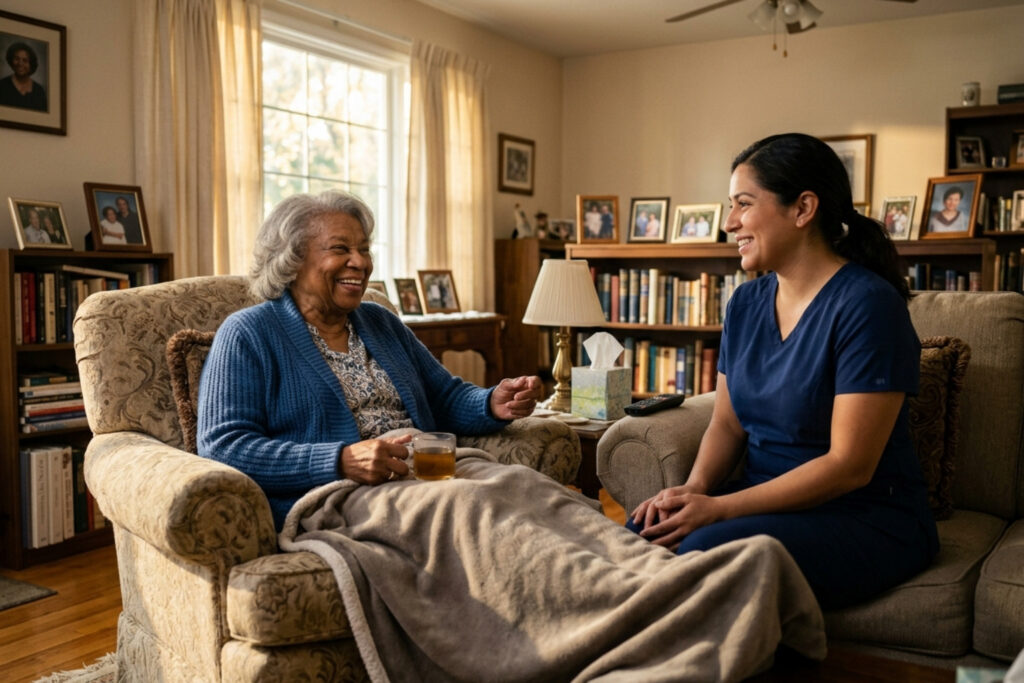
At its core, in-home care is designed to help older adults live safely and independently. This ranges from Companion Care For Seniors, which focuses on emotional well-being and social interaction, to more intensive personal care. Companion care is often the “entry point” for many families. It involves help with light housekeeping, meal preparation, and transportation to appointments or social outings. It’s about “happier aging”—ensuring that a senior isn’t just sitting at home, but is engaged in life, whether that’s a stroll through a park in Pleasanton or a visit to a local library in Berkeley.
Non-Medical vs. Medical Support
One of the most common points of confusion is the difference between non-medical home care and home health care.
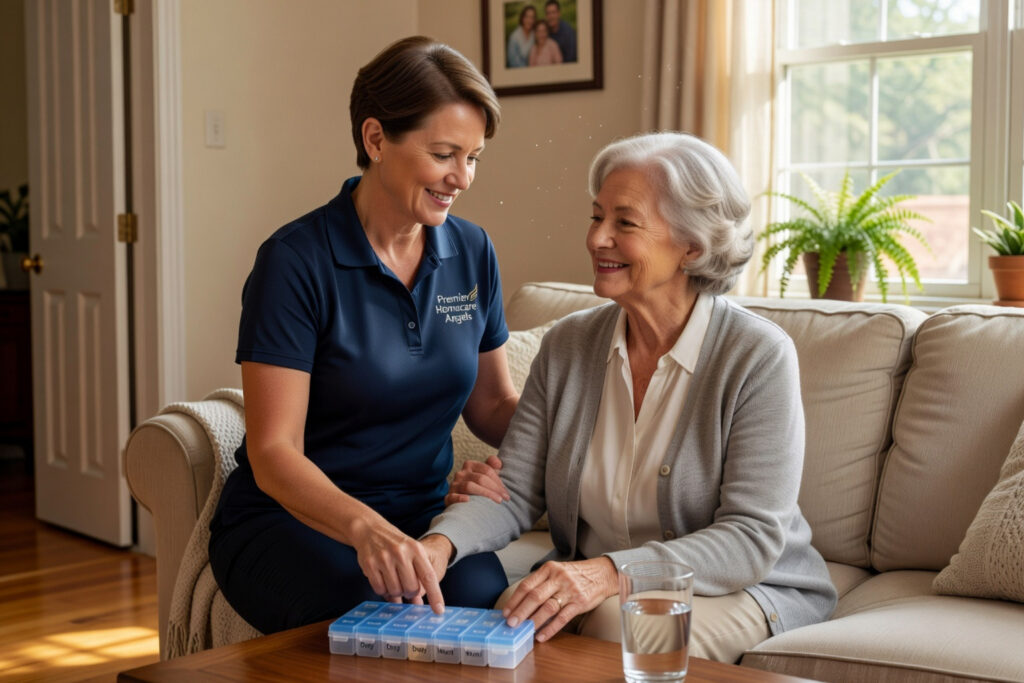
- Non-Medical Home Care: This is what we specialize in at Premier Homecare Angels. It focuses on “Activities of Daily Living” (ADLs). This includes hygiene assistance (bathing and grooming), dressing, medication reminders, and mobility support. For a comprehensive look at how this works, check out our Complete Guide To Non Medical Home Care For Seniors.
- Medical Home Health: This involves skilled nursing care, physical therapy, or wound care, usually ordered by a physician following a hospital stay.
By focusing on non-medical support, we help seniors maintain their dignity and independence in familiar surroundings, often preventing the need for medical intervention by ensuring they eat well, stay hydrated, and take their medications on time.
2. Prioritize Specialized Support for Chronic Conditions
General companionship is wonderful, but many seniors require a higher level of expertise. If your loved one is living with a chronic condition, the “care” in senior care in home near me needs to be specialized.
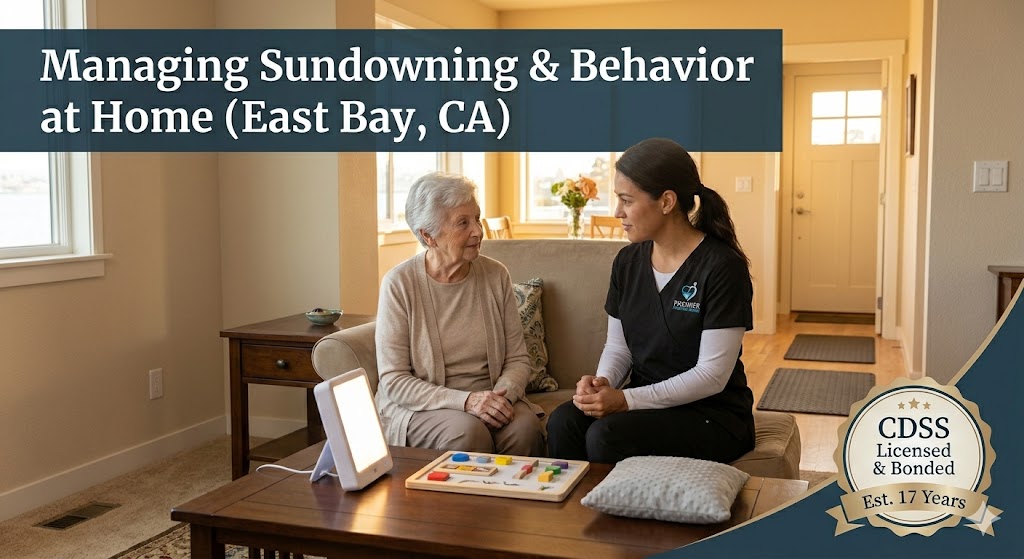
Conditions like Alzheimer’s, various forms of dementia, and Parkinson’s disease require more than just a watchful eye; they require caregivers who understand the specific behavioral and physical challenges these diagnoses present. For example, dementia care often involves creating a “routine-based” environment to reduce anxiety and “sundowning” symptoms. Parkinson’s care might focus more heavily on fall prevention and mobility assistance, as balance becomes a primary concern.
Enhancing Quality of Life with Specialized Services
Specialized care isn’t just about safety; it’s about quality of life. We believe that a change in health shouldn’t mean a change in enjoying life. This is why we advocate for The Ultimate Guide To Senior Care Services At Home, which highlights how personalized plans can incorporate a senior’s hobbies.
Whether it’s assisting a senior in Albany with their morning gardening or helping a client in Piedmont host a small family dinner, specialized care looks at the whole person. This holistic approach ensures that chronic disease management doesn’t overshadow the individual’s personality and joy.
3. Use Government Locators to Find Local Services
Finding senior care in home near me can feel like navigating a maze. Fortunately, there are public resources designed to point you in the right direction. The Eldercare Locator, a public service of the Administration for Community Living, is an invaluable tool. By entering your zip code, you can connect with your local Area Agency on Aging (AAA).
These agencies provide a wealth of community-based services, from nutrition programs (like home-delivered meals) to legal assistance and caregiver support. In the Bay Area, these resources are particularly robust, helping families in Hayward, Oakland, and Alameda find the specific help they need.
Finding Local Senior Care in Home Near Me via Government Resources
While government locators are great for general resources, finding a specific agency requires a local touch. For families in Pleasanton, CA, or Castro Valley, you want to look for agencies that are deeply embedded in the local community.
While some national directories might list agencies in far-off places like Osceola, AR, your focus should remain on providers who understand the local landscape of the Bay Area. Local agencies often have established partnerships with nearby hospitals and senior centers, ensuring a more cohesive care experience for your loved one.
4. Vet Agencies for Safety and Quality Standards
Not all home care is created equal. When you are inviting someone into your home—or the home of a vulnerable loved one—safety is the absolute priority. You need to know that the person walking through the door is not only capable but also trustworthy.
Reputable agencies should perform rigorous screenings. This includes:
- Comprehensive Background Checks: Both local and national criminal record searches.
- Experience Verification: Look for agencies that require a minimum of two years of experience or specific certifications for their caregivers.
- Licensing and Insurance: In California, home care organizations must be licensed by the state. Ensure the agency is bonded and insured to protect your family from liability.
Identifying Red Flags in Home Care
As you interview providers for senior care in home near me, keep an eye out for these red flags:
- Lack of Transparency: If they can’t provide their license number or proof of insurance, walk away.
- Poor Communication: Does a real person answer the phone? If you can’t get a response during the inquiry phase, imagine how hard it will be during a late-night emergency.
- No Emergency Policy: Ask what happens if a caregiver doesn’t show up or if there is a medical crisis. A professional agency will have a 24/7 support line and a clear backup plan.
- No Personalized Assessment: If an agency tries to give you a price without seeing your loved one or their home, they aren’t providing tailored care.
5. Compare Costs and Benefits of Aging in Place
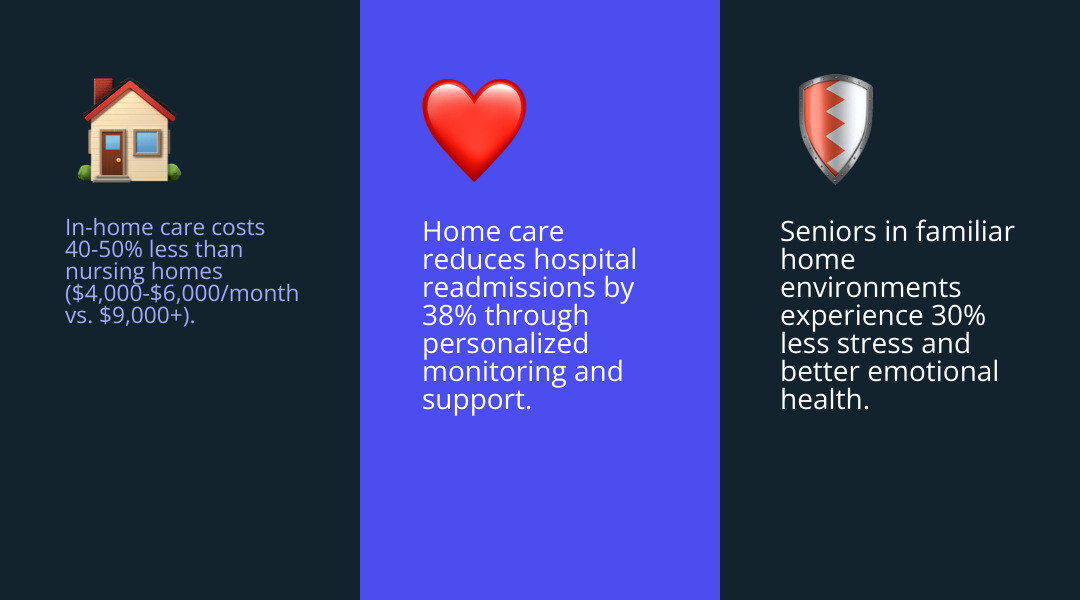
Let’s talk about the elephant in the room: cost. Many families worry that senior care in home near me will be prohibitively expensive. However, when compared to the cost of a private room in an assisted living facility or a nursing home, in-home care is often the more cost-effective choice—especially if your loved one only needs a few hours of help each day.
The benefits of aging in place extend far beyond the financial. Seniors who stay in their own homes often report higher levels of happiness, security, and independence. They are in a familiar environment where they know every creak in the floorboard and every neighbor on the block. For more details on this, see Everything You Need To Know About Care In The Home For Elderly.
Cost Analysis of Senior Care in Home Near Me
Hourly rates for home care in the Bay Area vary based on the level of care required and the location (e.g., rates in San Leandro might differ slightly from Lafayette). To manage these costs, explore various payment options:
- Long-Term Care Insurance: Many policies cover non-medical in-home care.
- VA Benefits: Veterans and their surviving spouses may be eligible for “Aid and Attendance” benefits to help pay for home care.
- Private Pay: This is the most common method, allowing for the most flexibility in choosing a provider and scheduling.
6. Leverage Technology for 24/7 Peace of Mind
In April 2026, technology has become a seamless partner to human care. While nothing replaces the “human touch” of a compassionate caregiver, smart technology can provide an extra layer of safety when a caregiver isn’t present.
Modern senior care in home near me often incorporates non-invasive monitoring. For example, motion sensors can be placed around the home to learn a senior’s normal patterns. If the sensors detect that a senior hasn’t gone to the kitchen for breakfast by 10:00 AM, or if they’ve been in the bathroom for an unusually long time, an alert is sent to the family or the agency.
Integrating Smart Tech with Human Care
This isn’t about cameras or microphones—it’s about privacy-focused wellness notifications. Other useful tech includes:
- Fall Detection Wearables: Devices that automatically call for help if a fall is detected.
- Attendance Tracking: Professional agencies use GPS-based systems to ensure caregivers arrive on time and stay for their full shift.
- Medication Dispensers: Smart boxes that beep and only open when it’s time for the next dose.
By combining these tools with regular visits from a caregiver, you create a “safety net” that allows for true independence.
7. Start with a Professional In-Home Assessment
The final and most important tip is to never skip the professional assessment. This is a complimentary service offered by reputable agencies to determine the exact needs of the senior and the safety of the home environment. You can learn more about this process on our Home Care Services page.
During this visit, a “Care Designer” or supervisor will walk through the home to identify potential hazards, like loose rugs or poor lighting, which are major fall risks. They will also talk to the senior and the family about goals. Is the goal to get back to walking after a hip surgery? Is it to ensure they are eating three healthy meals a day?
Getting Started with a Customized Plan
A customized plan is the roadmap for care. It should include:
- Caregiver Matching: This isn’t just about skills; it’s about personality. If your dad loves the Oakland A’s, he should be matched with someone who can talk baseball.
- Flexible Scheduling: Whether you need four hours a week or 24/7 support, the plan should adapt as needs change.
- Clear Communication Channels: You should know exactly who to call with questions and receive regular updates on your loved one’s status.
Frequently Asked Questions about In-Home Care
How do I find reputable home care agencies near my location?
Start by using local directories and government locators like the Eldercare Locator. Look for agencies with high Google Review ratings (4.8 or higher is a great sign) and read client testimonials. For those in our area, we recommend checking out our Guide To In Home Non Medical Senior Care In The Bay Area for localized tips.
What are the typical costs of in-home senior care?
Costs are usually billed hourly. In the Bay Area, these rates reflect the high standard of living and the requirement for licensed, insured professionals. While prices vary, the investment provides professional oversight that “private” or “under-the-table” caregivers cannot offer. You can find more details on our faq page.
What benefits does in-home care provide for families?
The biggest benefit is the reduction of “caregiver burnout.” When a professional takes over the daily tasks, family members can go back to being sons, daughters, and spouses. It provides peace of mind, knowing that even when you are at work or sleeping, your loved one is safe. Discover more about local support in our article on Bay Area Home Care Services.
Conclusion
Choosing senior care in home near me is a journey that requires heart, research, and a bit of professional guidance. At Premier Homecare Angels, we are dedicated to making that journey as smooth as possible for families in Albany, Alameda, Hayward, Oakland, Berkeley, and across the Bay Area. We treat every client like family, ensuring they remain secure and happy in the home they love.
If you’re ready to take the next step, we invite you to learn more About Premier Homecare Angels and our commitment to quality care. Don’t wait until a crisis happens—proactive care is the best way to ensure safety and longevity.
Ready to see the difference compassionate care can make? Contact Us today or Schedule a consultation for home care services to create a personalized plan for your loved one. We are here to help you navigate every step of the way.