
Why Care in the Home for Elderly Is the Right Choice for So Many Families
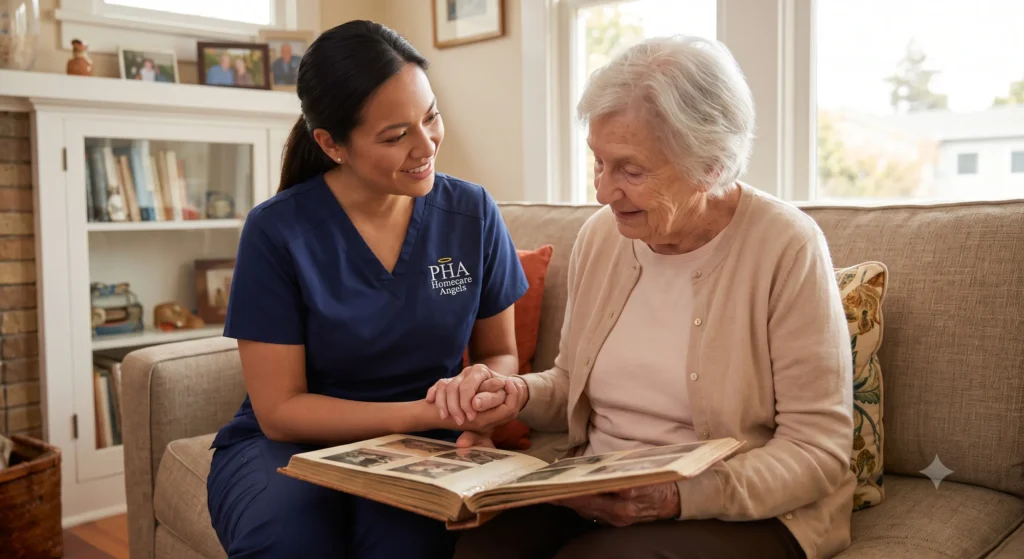
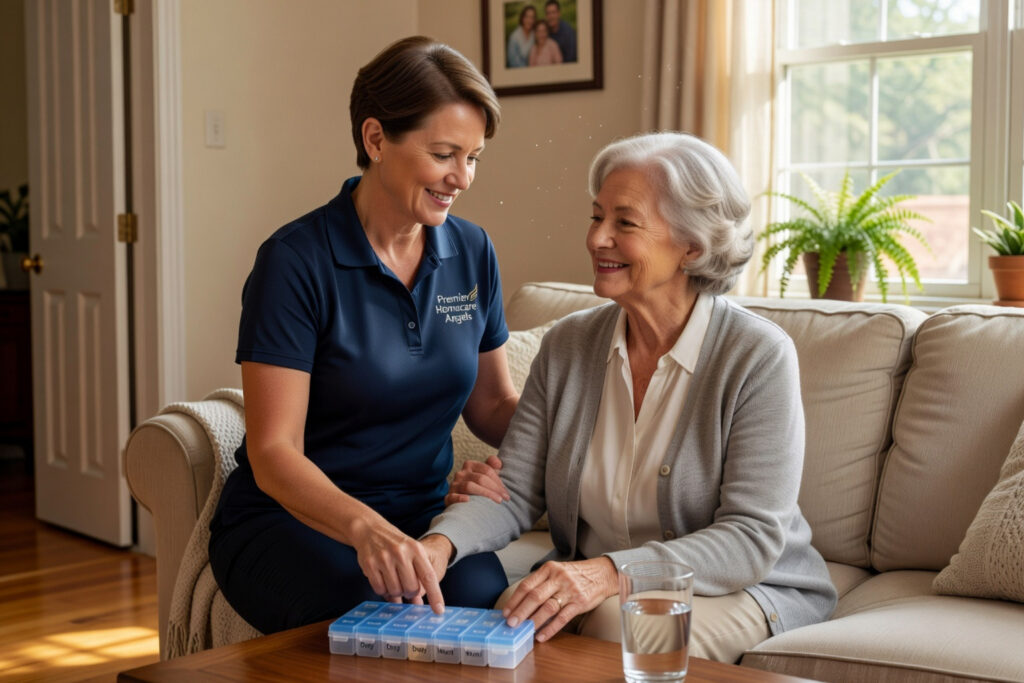
Care in the home for elderly loved ones means professional support — like help with bathing, meals, companionship, and medication reminders — delivered right where your loved one already lives.
Here’s a quick overview of what home care typically includes:
| Type of Support | Examples |
|---|---|
| Personal care | Bathing, dressing, grooming, toileting |
| Companionship | Conversation, activities, emotional support |
| Meal preparation | Cooking, grocery shopping, special diets |
| Medication reminders | Prompting and organizing medications |
| Mobility assistance | Help moving safely around the home |
| Respite care | Temporary relief for family caregivers |
According to a 2021 AARP survey, roughly 9 in 10 adults over 65 want to stay in their own homes as they age. For millions of families, professional home care is what makes that possible.
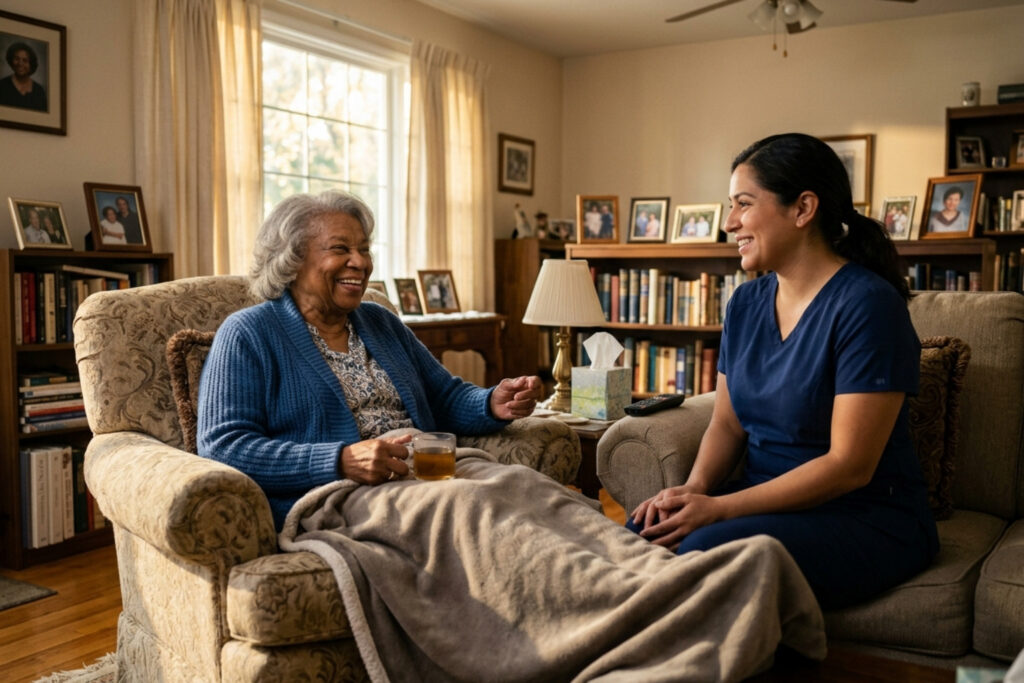
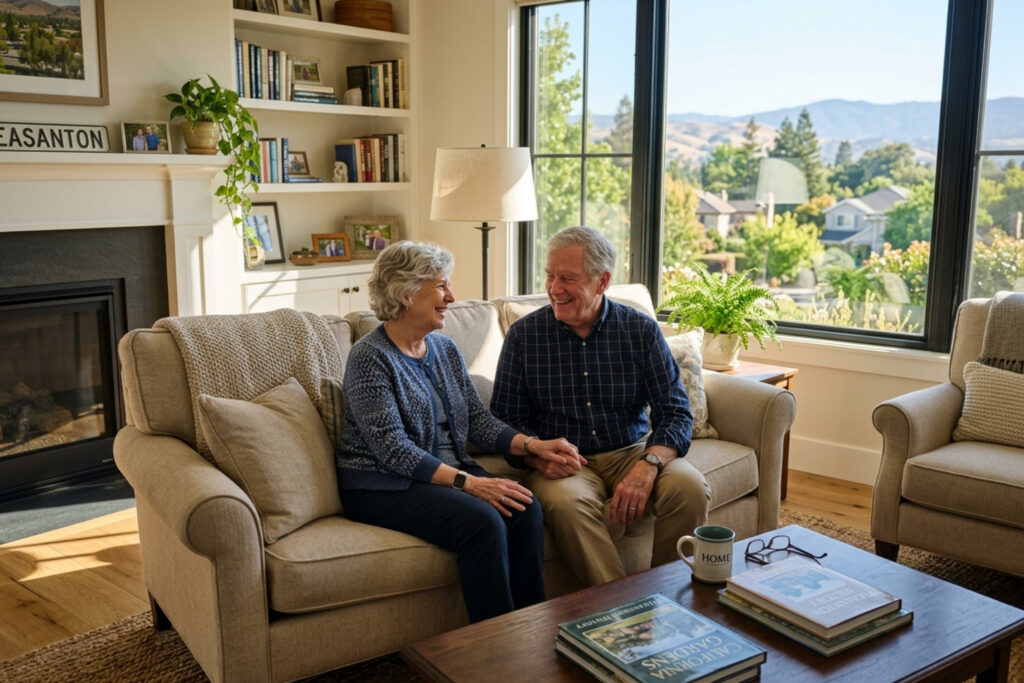
Home care isn’t just about safety. It’s about quality of life — staying in a familiar place, keeping daily routines, and maintaining independence for as long as possible.
At Premier Homecare Angels, we’ve spent years delivering compassionate care in the home for elderly residents across Alameda, San Leandro, Berkeley, Oakland, and the surrounding Bay Area communities. We understand the challenges families face, and we’re here to make the path forward clearer.
Related content about care in the home for elderly:
Understanding Care in the Home for Elderly and Its Benefits
When we talk about “aging in place,” we are talking about the ability of a person to live in their own home and community safely, independently, and comfortably, regardless of age or income level. For many of our neighbors in Walnut Creek, Lafayette, and Berkeley, this is the ultimate goal.
The primary benefit of care in the home for elderly individuals is the one-on-one attention that simply cannot be replicated in a facility setting. In a nursing home, a single staff member might be responsible for a dozen residents. At home, the caregiver’s only focus is your loved one. This allows for a deep emotional bond and highly personalized support.

Beyond the physical help, the emotional well-being that comes from staying in a familiar environment is immeasurable. Surrounding a senior with their own memories, their favorite chair, and their neighborhood birds can significantly reduce the “transfer trauma” often seen during moves to assisted living.
Home Care vs. Nursing Homes: A Quick Comparison
Deciding between home care and a residential facility is a big step. Here is how they generally stack up:
| Feature | Home Care | Nursing Home / Assisted Living |
|---|---|---|
| Environment | Familiar, private home | Clinical or communal facility |
| Schedule | Follows the senior’s existing routine | Follows the facility’s set schedule |
| Attention | 1-on-1 dedicated care | Shared staff among many residents |
| Cost | Flexible; pay only for hours needed | Fixed monthly high cost |
| Independence | Maximized; senior remains in control | Limited by facility rules and safety protocols |
According to the AARP Home and Community Preferences Survey, the desire to stay home is nearly universal. We see this every day in our work across the East Bay. Staying home keeps seniors connected to their community, which is a vital component of elderly care.
Types of Home Care Services for Seniors
One of the best things about care in the home for elderly adults is that it isn’t “one size fits all.” We can scale services up or down based on what is actually needed.
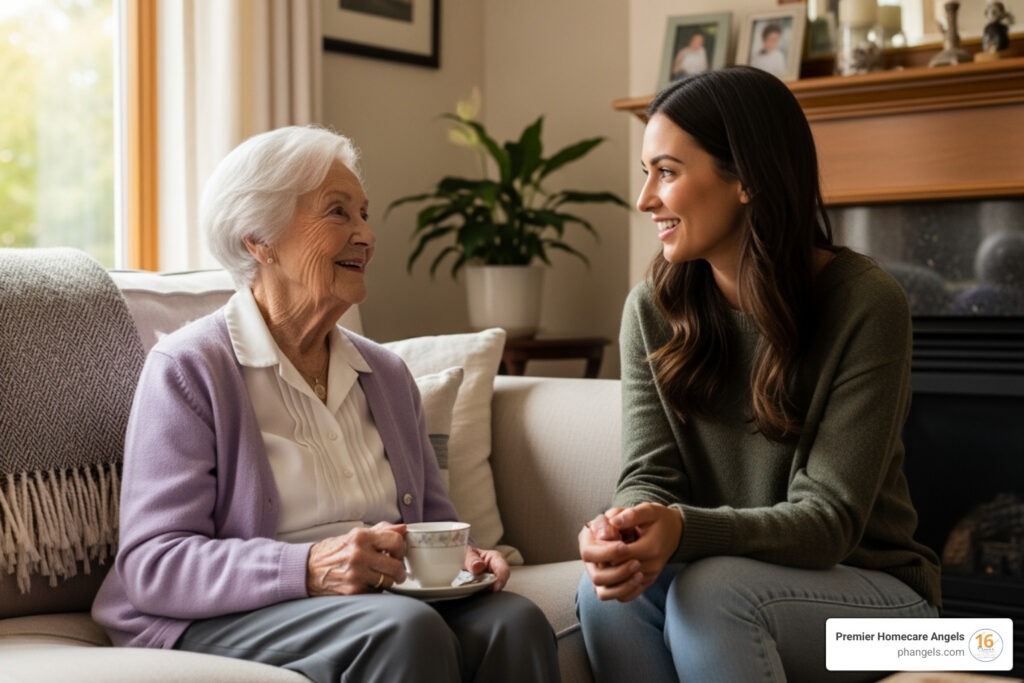
- Companion Care: This is often the first step for many families. It involves emotional support and help with light tasks like grocery shopping, light housekeeping, and, most importantly, social interaction. It’s about preventing the loneliness that often leads to cognitive decline.
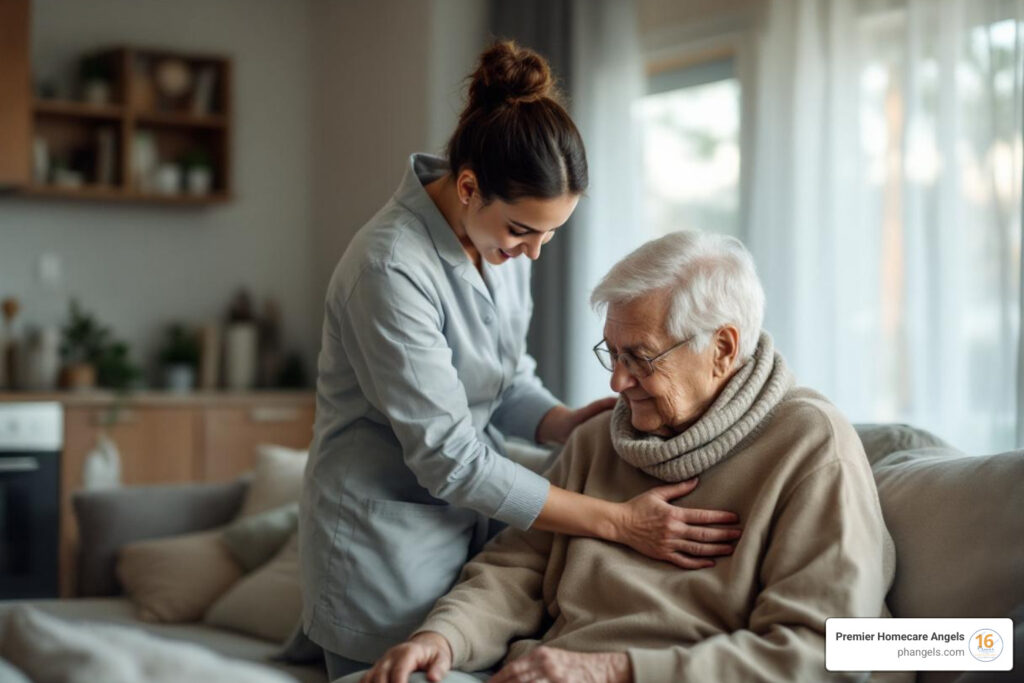
- Personal Care: This is more “hands-on.” It includes assistance with Activities of Daily Living (ADLs) such as bathing, dressing, and toileting. You can find more details in our detailed guide to personal care assistants.
- Respite Care: This is care for the caregiver. If you are a daughter or son looking after a parent in Oakland or Hayward, you need a break to avoid burnout. Respite care allows a professional to step in for a few hours or days so you can recharge.
- Live-in Care: For those who need constant supervision but want to avoid a facility, a caregiver lives in the home to provide support throughout the day and night.
For those needing more clinical support, the National Institute on Aging — Home Health Care provides excellent resources on how medical services integrate with the home environment.
Specialized Care in the Home for Elderly with Chronic Conditions
As we age, chronic conditions often require a more specialized approach. We don’t just “watch” a senior; we manage their specific environment to cater to their health needs.
- Dementia and Alzheimer’s Care: This requires a high level of patience and specialized techniques like “redirection” and maintaining a strict, calming routine to reduce agitation.
- Parkinson’s Management: Focusing on mobility, fall prevention, and helping with fine motor tasks like buttoning shirts or using utensils.
- Mobility Assistance: For those at high risk of falls, we provide steadying hands and ensure the home remains a safe place to navigate.
If your loved one requires around-the-clock monitoring due to these conditions, we recommend reviewing the complete guide to 24-hour in-home elderly care to see how we manage these complex needs safely.
Non-Medical vs. Medical Care in the Home for Elderly
It is vital to understand the difference between “Home Care” and “Home Health Care.”
Non-medical home care (what we specialize in at Premier Homecare Angels) focuses on custodial care. This includes help with bathing, cooking, cleaning, and companionship. It is generally what people mean when they search for care in the home for elderly. You can learn more in our non-medical elderly care 101 guide.
Medical home health care, on the other hand, is ordered by a doctor. It involves skilled nursing, physical therapy, or wound care. Often, a family will hire a home health nurse for medical tasks and a home care aide for daily living support to create a comprehensive care team.
Costs and Funding Options for Home Care
Talking about money is never easy, but it is a necessary part of the planning process. In the Bay Area, costs can vary significantly based on the level of care and the number of hours required.
Generally, care in the home for elderly is billed by the hour. According to industry data, non-medical home care often averages around $30 per hour through an agency, though this varies by location.
Common Funding Sources:
- Private Pay: The most common method, using savings or retirement income.
- Long-Term Care Insurance: Many policies cover in-home care, but you must check your specific “elimination period” and daily benefit limits.
- Veterans Benefits: Programs like “Aid and Attendance” can provide significant monthly stipends to veterans and their surviving spouses to help pay for home care.
- Asset-Based Options: Some families utilize home equity or reverse mortgages to fund their desire to age in place.
For a deeper dive into the numbers, read our guide on decoding in-home care costs for seniors.
Navigating Medicare and Medicaid
This is where many families get confused. Medicare generally does not pay for long-term, non-medical care in the home for elderly people. It only covers “short-term, skilled” care. For example, if your loved one is recovering from a hip replacement, Medicare might pay for a physical therapist to visit for a few weeks. It will not pay for someone to help them bathe or cook for the next three years. You can verify these details at Medicare.gov — Home Health Services Coverage.
Medicaid (known as Medi-Cal in California) is different. It can sometimes cover home care through specific “waiver” programs (like the HCBS waiver) if the senior meets strict low-income and asset requirements. You can find more information at Medicaid.gov.
For those looking for creative ways to manage the budget in our expensive corner of California, we’ve put together a resource on the secret to affordable live-in homecare in the Bay Area.
Creating a Safe Environment and Getting Started
Before care even begins, we have to look at the “stage” where that care will happen: the home. A home that was perfect for a 40-year-old can be a minefield for an 85-year-old.
Essential Home Modifications:
- Fall Prevention: Remove all throw rugs (the #1 tripping hazard!).
- Lighting: Increase the wattage in lightbulbs and add motion-sensor nightlights in hallways and bathrooms.
- Bathroom Safety: Install grab bars in the shower and next to the toilet. A walk-in tub or a simple shower chair can also be life-changing.
- Accessibility: If stairs are becoming a problem, consider a ramp or moving the senior’s bedroom to the first floor.
Taking these steps is one of the best homecare tips to keep seniors out of the hospital. The Administration for Community Living also offers checklists and resources for making homes more accessible for aging residents.
Developing a Personalized Care Plan
We don’t just show up and start cleaning. Every successful relationship starts with a plan. When we begin care in the home for elderly clients in cities like El Cerrito or Pleasanton, we follow a structured process:
- Functional Assessment: We look at what the senior can do and where they struggle. Can they manage their own buttons? Do they forget to turn off the stove?
- Caregiver Matching: This is our “secret sauce.” We match caregivers based on personality, hobbies, and temperament. If a senior loves gardening, we try to send a caregiver who has a green thumb!
- Family Involvement: We work with the children and spouses to ensure everyone is on the same page regarding goals and schedules.
Our guide to in-home non-medical senior care in the Bay Area walks you through exactly what to expect during those first few weeks.
Frequently Asked Questions about Home Care
What is the difference between home care and home health?
Home care is non-medical and focuses on daily living (cooking, cleaning, bathing). Home health is medical and involves licensed nurses or therapists performing clinical tasks like wound care or injections.
How do I know when it is time for professional help?
Look for “red flags”: a messy house when it used to be clean, unpaid bills, unexplained bruises from falls, weight loss (suggesting they aren’t cooking), or a decline in personal hygiene.
Does Medicare pay for 24-hour personal care?
No. Medicare does not cover 24-hour-a-day care at home, nor does it cover meal delivery or custodial care (like laundry and dressing) if that is the only care needed.
Conclusion
At Premier Homecare Angels, we believe that every senior deserves to age with dignity, surrounded by the people and things they love. Providing care in the home for elderly residents is more than just a service to us; it’s a mission to support our community in Albany, Alameda, Castro Valley, and beyond.
Whether you need a few hours of companionship a week or around-the-clock support, our family-centered approach ensures your loved one is safe, happy, and secure.
If you are ready to explore how we can help your family, please visit our home care services page to learn more about our personalized approach to care. We are here to help you navigate this journey, one step at a time.