
Why Families Are Choosing Senior Care Services at Home
Senior care services at home give older adults the support they need — without leaving the place they love most.
Here’s a quick overview of what’s available:
| Type of Service | What It Includes |
|---|---|
| Companion Care | Conversation, activities, emotional support |
| Personal Care | Bathing, grooming, dressing, toileting |
| Homemaking | Meal prep, light housekeeping, errands |
| Memory Care | Specialized support for dementia or Alzheimer’s |
| Respite Care | Temporary relief for family caregivers |
| Transportation | Rides to appointments, errands, outings |
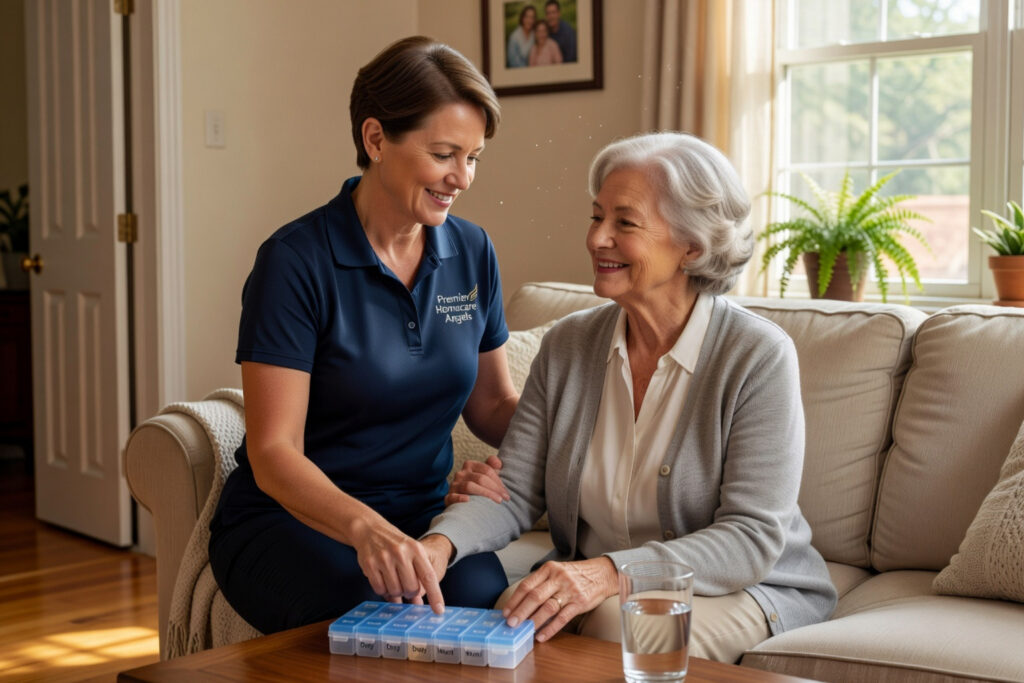
| Medication Reminders | Help staying on schedule with prescriptions |
| Emergency Alert Systems | Wearable devices for fast response to falls or emergencies |
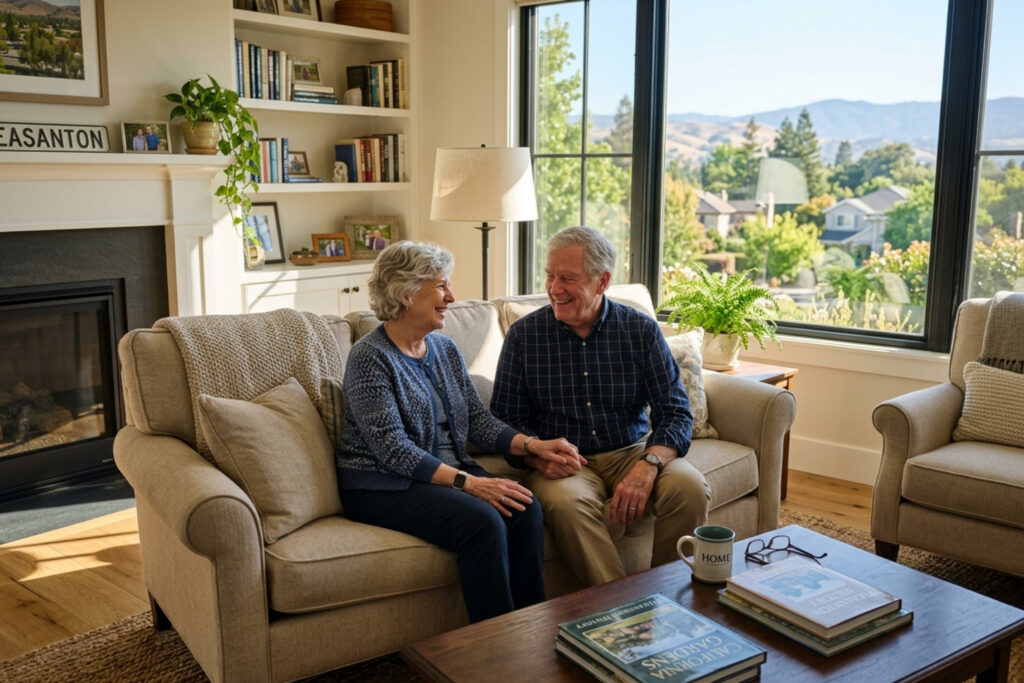
According to AARP, 80% of people prefer to stay home as they age — and research shows that seniors who do are often happier, healthier, and recover faster from illness than those in care facilities.
That preference makes sense. Home is familiar. It’s comfortable. And with the right support in place, it can be the safest place for your loved one to be.
At Premier Homecare Angels, we provide professional, compassionate in-home care to seniors across Alameda County and the greater Bay Area — including dementia care, personal care, and support for safe aging at home. If you’re trying to find the right senior care services at home for someone you love, this guide walks you through everything you need to know.
Glossary for senior care services at home:
Understanding the Main Types of Senior Care Services at Home
When you begin looking into senior care services at home, the sheer number of options can feel a bit like reading a menu in a language you don’t quite speak yet. Don’t worry—we’re here to translate. Most home care falls into a few primary buckets, ranging from a friendly face to visit once a week to intensive, around-the-clock support.

Companion Care
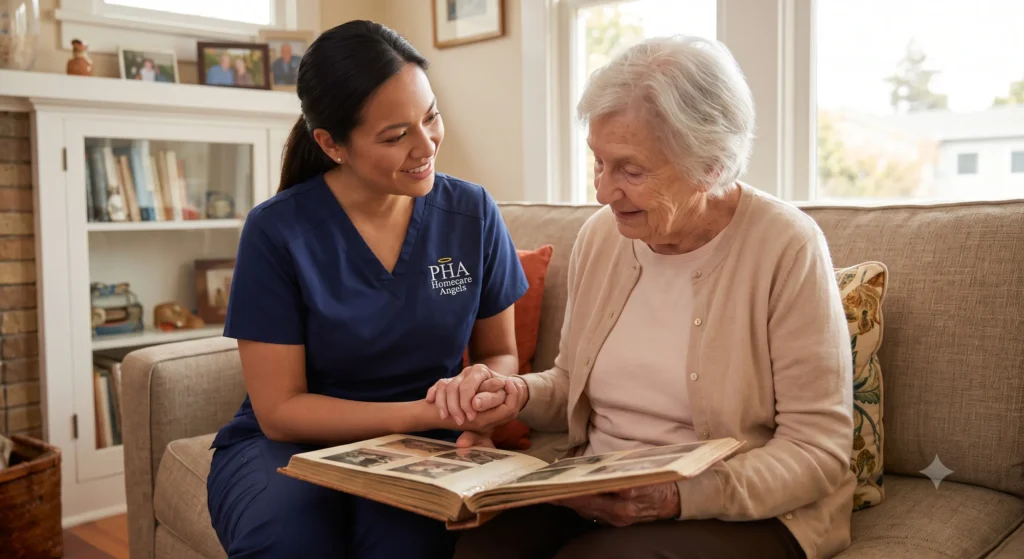
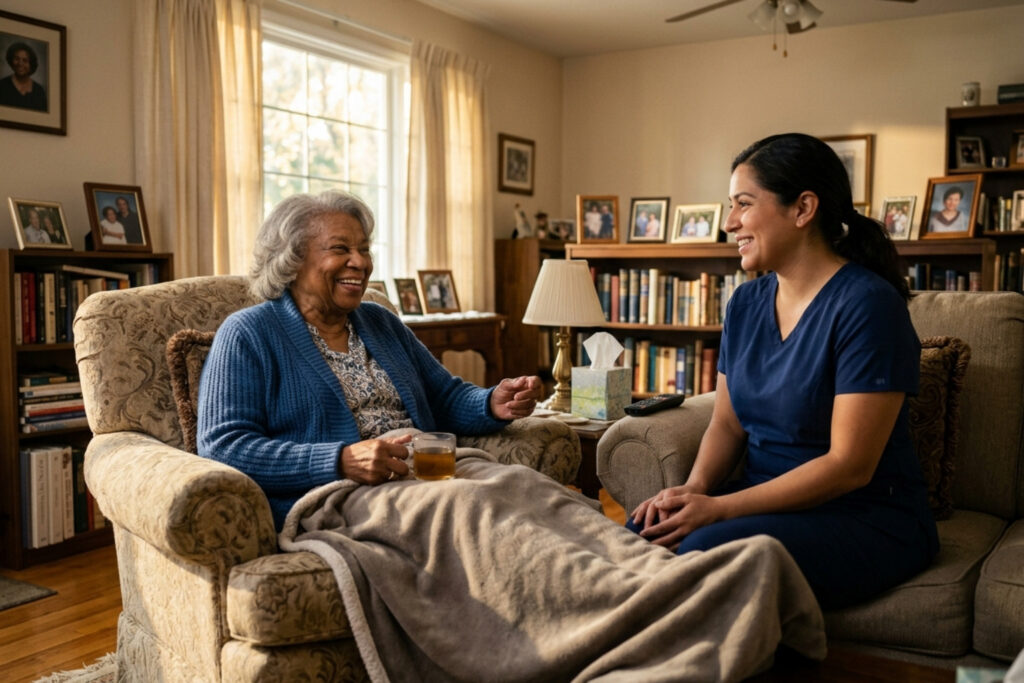
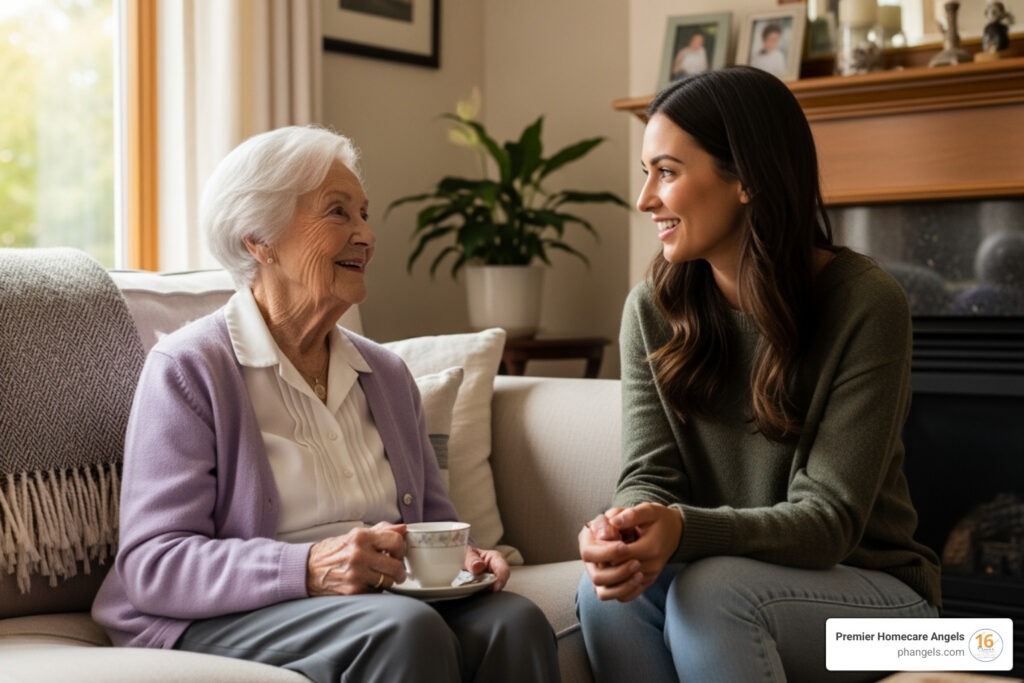
This is often the first step for many families in the Bay Area. It’s designed for seniors who are generally healthy but may be feeling the effects of social isolation. A companion provides emotional support and helps with “instrumental” activities of daily living. This might include playing a game of cards, going for a stroll through a park in Berkeley, or simply chatting over a cup of tea.
Personal Care
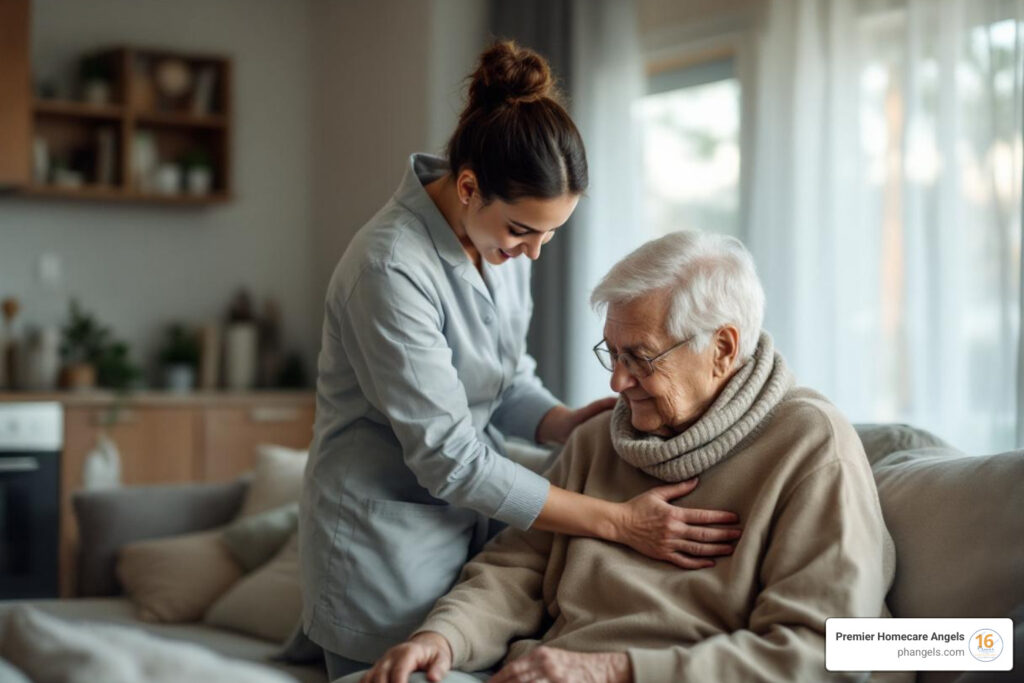
As we age, tasks that used to take five minutes—like buttoning a shirt or stepping into a shower—can become major hurdles. Personal care involves direct physical assistance. Our caregivers help with “hands-on” needs such as bathing, grooming, dressing, and toileting. This level of care is vital for maintaining dignity and hygiene while preventing falls in the bathroom.
Nursing and Therapy Services
While many senior care services at home are non-medical, some situations require a higher level of clinical expertise. Home health care (often covered by insurance for short periods) includes wound care, physical therapy, and medication administration by licensed professionals. For more information on coordinating these long-term needs, the Services for Older Adults Living at Home guide provides an excellent framework for families.
Transitional Care
The period immediately following a hospital discharge is a high-risk time for seniors. Transitional care (sometimes called “Hospital-to-Home”) ensures that the discharge instructions are followed, medications are picked up, and the home environment is safe. This significantly reduces the likelihood of being readmitted to the hospital.
Specialized Senior Care Services at Home for Chronic Conditions
Living with a chronic illness doesn’t have to mean moving into a facility. Modern senior care services at home have evolved to provide highly specialized support for specific medical journeys.
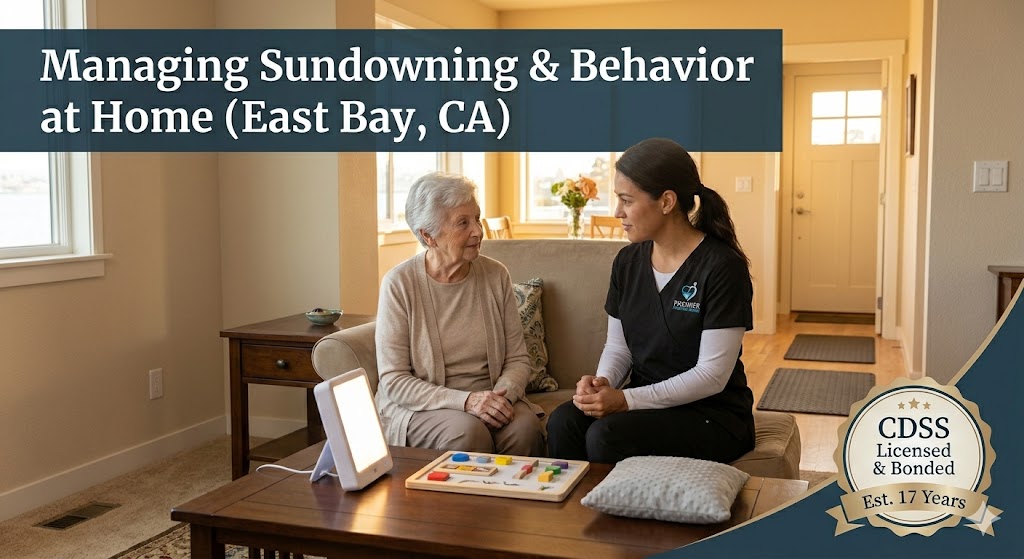
- Alzheimer’s and Dementia Support: Memory loss requires a unique approach focused on patience and routine. Caregivers trained in dementia care use techniques to manage “sundowning,” prevent wandering, and engage the senior in meaningful activities that stimulate cognitive function.
- Parkinson’s Assistance: Parkinson’s presents unique mobility and safety challenges. Specialized care focuses on gait monitoring, fall prevention, and helping with the tremors that can make eating or dressing difficult.
- Diabetes Management: Staying on top of blood sugar levels, foot care, and specific dietary requirements is a full-time job. Caregivers can assist with meal planning and reminders to check glucose levels, ensuring the condition remains stable.
Support Services and Daily Living Assistance
Beyond the “big” care categories, there are several “wraparound” services that make aging in place in cities like Oakland or Hayward much more manageable.
- Respite Care: If you are the primary family caregiver, you need a break. Respite care allows you to step away for a few hours or a few days to recharge, knowing your loved one is in safe hands. It’s not a luxury; it’s a necessity to prevent caregiver burnout.
- Meal Preparation: Nutrition is the fuel for healthy aging. Caregivers can handle the grocery shopping and cook healthy, delicious meals that cater to specific dietary needs (like low-sodium or heart-healthy diets).
- Transportation: Losing the ability to drive can feel like losing a limb. Our services include rides to medical appointments at Kaiser or Sutter Health, errands to the pharmacy, or even just a trip to the local senior center.
- Emergency Alerts and Medication Reminders: Technology plays a huge role here. From wearable “fall buttons” to automated pill dispensers, these systems provide an extra layer of security when a caregiver isn’t physically in the room.
Determining if In-Home Care is Right for Your Loved One
How do you know when it’s time to move from “we’re managing” to “we need help”? It’s rarely a single event; usually, it’s a collection of small signs. We recommend looking at the “Big Five” indicators:
- Mobility and Safety: Is your loved one steady on their feet? Have there been “near misses” or actual falls? If they are struggling to get up from a sofa or navigate stairs, the risk of a serious injury is high.
- Hygiene Decline: If a normally tidy person starts wearing the same clothes for days, or if you notice an unpleasant odor or unkempt hair, it may be because bathing and laundry have become too physically taxing or confusing.
- Cognitive Health: Are they forgetting to pay the PG&E bill? Are medications being skipped or doubled up? Confusion regarding time, place, or basic household tasks is a major red flag.
- Social Isolation: Is your loved one withdrawing? Loneliness is more than just a feeling; it has been linked to higher risks of heart disease and cognitive decline. If they’ve stopped seeing friends or pursuing hobbies, a companion could be life-changing.
- Caregiver Burnout: Look in the mirror. Are you exhausted, irritable, or neglecting your own health? If the family caregiver is reaching a breaking point, senior care services at home are the solution for the whole family, not just the senior.
Navigating Costs and Coverage for Senior Home Care
Let’s talk about the elephant in the room: the cost. Understanding how to pay for senior care services at home is often the most stressful part of the process.
Most private duty home care is charged at an hourly rate. In the Bay Area, these rates reflect the high cost of living and the professional training of the caregivers. Some government programs or local initiatives may offer sliding scale fees based on income, though these often have waiting lists.
Insurance and Government Programs
- Medicare: A common misconception is that Medicare pays for long-term home care. In reality, Medicare typically only covers short-term, physician-ordered “home health” (like physical therapy) after an illness or injury. You can use the Medicare Care Compare tool to find and compare certified agencies.
- Medicaid (Medi-Cal): For those who meet income and asset requirements, Medi-Cal may pay for certain in-home supportive services.
- Long-Term Care Insurance: If your loved one has a private long-term care policy, it often covers in-home care once they require help with a certain number of activities of daily living (like bathing or eating).
- Veterans Benefits: Veterans and their surviving spouses may be eligible for the “Aid and Attendance” benefit, which provides a monthly payment to help cover the costs of home care.
For help navigating these financial waters, the Consumer Financial Protection Bureau offers resources to help seniors and their families manage their finances and protect against scams.
Choosing a Provider and Evaluating Quality in Senior Care Services at Home
Once you decide to move forward, how do you choose the right partner? You aren’t just hiring a service; you are inviting someone into your home.
The Matching Process
A great agency doesn’t just send the first person available. They look at personality, interests, and specific care needs. If your dad loves the Oakland A’s and jazz music, he’ll be much happier with a caregiver who can engage in those conversations.
Screening and Training
You should always ask about the agency’s vetting process. This should include:
- Rigorous background checks and drug screening.
- Verification of licenses and certifications.
- Ongoing training in specialized areas like dementia or fall prevention.
- Reliability measures, such as attendance monitoring systems that ensure the caregiver arrives on time.
Before signing an agreement, it is always wise to check the Better Business Bureau for any history of complaints or issues with the provider.
Utilizing Technology and Community Resources
Technology has made senior care services at home safer than ever before. Many agencies now use:
- Virtual Assessments: Using video calls to conduct initial consultations or follow-up check-ins.
- Monitoring Systems: Smart sensors that can detect a fall or a change in routine (like the refrigerator not being opened) without the use of invasive cameras.
- Smart Home Devices: Voice-activated assistants (like Alexa) can help seniors set reminders, make calls, or control lights without getting up.
Beyond technology, don’t forget the power of community. The Eldercare Locator is a fantastic public service that connects you to local resources, such as meal programs, senior centers, and support groups in your specific Bay Area neighborhood.
Frequently Asked Questions about Senior Home Care
Does Medicare cover senior care services at home?
Generally, no. Medicare is designed for medical recovery, not long-term assistance with daily living. It may cover a few weeks of “home health” (nursing or therapy) if you are homebound and recovering from a specific medical event, but it does not cover “custodial care” (help with bathing, dressing, or meal prep).
How do I start the process of hiring a caregiver?
The best way to start is with a professional assessment. At Premier Homecare Angels, we begin with a free in-home consultation. We sit down with the senior and their family to discuss needs, safety concerns, and personal preferences. From there, we create a customized care plan and begin the matching process to find the perfect caregiver.
What is the difference between home health and home care?
Think of “Home Health” as medical care (nurses, therapists, and wound care) usually prescribed by a doctor and paid for by insurance. Think of “Home Care” as lifestyle and safety support (help with bathing, cooking, cleaning, and companionship) usually paid for privately or through long-term care insurance.
Conclusion
Deciding to bring professional senior care services at home into your life is a significant step, but it is one that usually leads to a much higher quality of life for everyone involved. It replaces the stress of “what if” with the peace of mind of “I know they’re safe.”
At Premier Homecare Angels, we are proud to serve families in Albany, Alameda, Hayward, Oakland, Berkeley, Piedmont, Lafayette, Emeryville, Kensington, Pleasanton, San Leandro, Walnut Creek, Castro Valley, and El Cerrito. We don’t just provide a service; we treat every client like a member of our own family.
Whether you need a few hours of companionship a week or 24/7 specialized dementia care, we are here to help your loved one remain securely and happily in their familiar environment. To learn more about how we can support your family, explore our full range of home care services or contact us today for a consultation.