
Caring for a parent or loved one with dementia often means adjusting to small changes that happen gradually. In the beginning, a forgotten set of keys, repeated stories, or misplaced grocery list may be manageable with calendars, written reminders, and regular family check-ins.
But dementia is progressive, and there may come a point when those small lapses become more than inconveniences. What once felt like independence can begin to create real safety concerns. An estimated 7.4 million Americans age 65 and older are living with Alzheimer’s in 2026, so many families are facing this same decision.
Knowing when to step in isn’t easy. Families may feel guilty about limiting a parent’s independence or convince themselves that Mom is simply having a bad week or Dad just forgot his medication.
But when dementia begins to affect a person’s ability to stay safe at home, increasing support isn’t taking away their dignity. It’s protecting them while helping them remain as independent as possible.
Warning signs can include problems with household safety, medication management, personal care, mobility, behavior, and everyday decision-making.
The goal is not to take independence away. It’s to recognize when living alone is no longer safe and provide the right level of support.
Understanding Dementia and Its Progression
Dementia is not a normal part of aging. It is a general term for problems with memory, thinking, communication, judgment, and other cognitive abilities that become severe enough to interfere with everyday life.
For families, one of the hardest parts is understanding what comes next. Dementia does not progress at the same pace for everyone, and symptoms can look different depending on the type of dementia, the person’s overall health, and other medical conditions. As the Alzheimer’s Association notes, each person may progress through the stages differently.
Knowing how dementia typically progresses can help families recognize changes earlier, plan for increasing care needs, and make decisions that protect both safety and quality of life.
What Happens as Dementia Progresses?
Dementia is generally progressive, meaning symptoms worsen over time. The Alzheimer’s Association describes Alzheimer’s disease, the most common cause of dementia, as typically progressing slowly through three stages: early, middle, and late (sometimes called mild, moderate, and severe). These stages are a general guide only, and they can overlap, so it may be hard to place a person in one specific stage.
Early-Stage Dementia
Early symptoms can be subtle and may be mistaken for normal aging.
A person may:
- Forget recent conversations or appointments
- Repeat questions or stories
- Misplace familiar items
- Struggle to find the right words
- Have difficulty planning or managing finances
- Become less confident driving
- Need reminders for medications and appointments
- Have difficulty learning new routines
Many people can still live relatively independently at this stage. The goal is to provide support while preserving independence. Organized medications, written reminders, simplified routines, and consistent schedules can help maintain safety at home.
Middle-Stage Dementia
As dementia progresses, symptoms begin to interfere more with daily activities. The middle stage is typically the longest stage and can last for many years. A person may need help with:
- Bathing and dressing
- Meal preparation
- Medication management
- Household tasks
- Transportation
- Managing money
- Communication
- Personal hygiene
Some people also experience agitation, anxiety, wandering, sleep problems, suspicion, or resistance to care.
At this stage, occasional help may no longer be enough. More consistent supervision and assistance with personal care may be needed. Alameda Alzheimer’s caregivers, predictable routines, and a calm environment can help reduce confusion.
Late-Stage Dementia
In advanced dementia, a person may lose the ability to communicate clearly, walk independently, recognize familiar people, or safely manage basic daily activities.
They may require extensive assistance with:
- Eating and drinking
- Toileting
- Bathing and grooming
- Dressing
- Mobility and position changes
- Communication
- Safety and supervision
Care becomes increasingly hands-on, with the focus shifting to comfort, dignity, safety, and quality of life. Hospice can also be of great benefit to people in the final stages of Alzheimer’s and other dementias, and to their families.
Recognizing the Signs: When Is It No Longer Safe to Live Alone?
Knowing when a loved one with dementia can no longer safely live alone is difficult. Michigan Medicine’s Geriatrics Center puts it plainly: there is no easy answer, because every person with dementia and every family is unique. Usually, it is not one incident but a pattern of changes that signals it is time to step in.
Watch for signs such as:
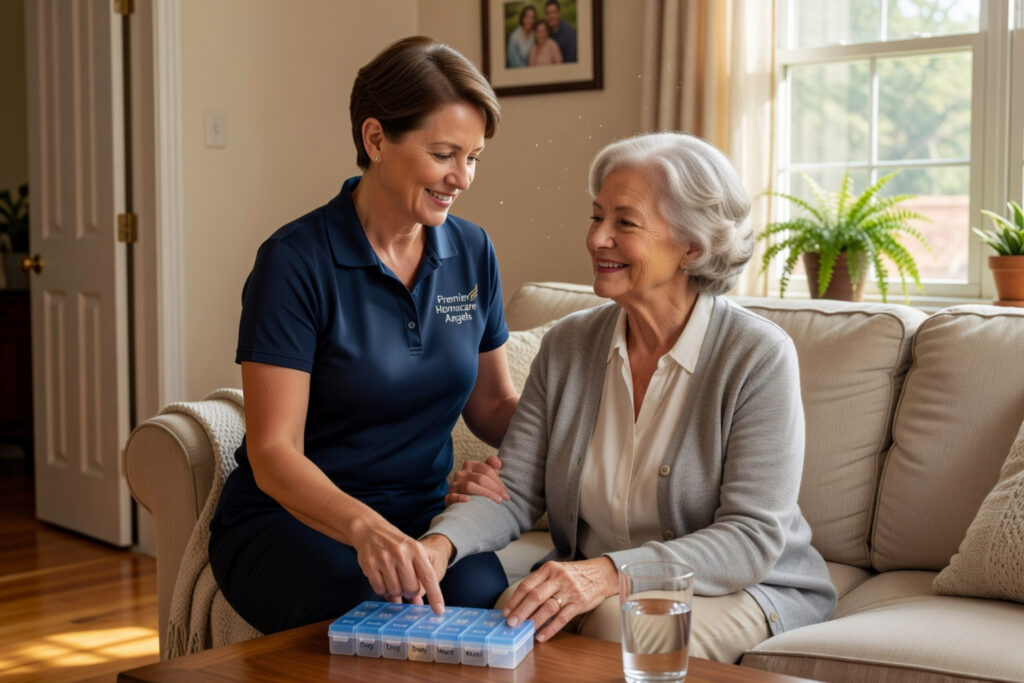
- Medication mistakes: Missing doses or taking the wrong medication.
- Unsafe cooking: Leaving the stove on or forgetting food is cooking.
- Frequent falls: Increasing falls, poor balance, or difficulty getting up. The risk of tripping and falling is higher in people age 65 and older and in those with dementia.
- Poor hygiene: Forgetting to bathe, change clothes, or manage toileting.
- Neglected meals: Spoiled food, an empty refrigerator, or skipped meals.
- Getting lost: Wandering or becoming confused in familiar places. The Alzheimer’s Association estimates that about 60% of people with dementia will wander at some point.
- Financial problems: Unpaid bills, unusual purchases, or vulnerability to scams.
- Poor judgment: Making decisions that put their safety at risk.
- Difficulty during emergencies: Being unable to recognize a problem or call for help.
One mistake does not necessarily mean someone needs full-time care. What matters is whether these problems are becoming more frequent and affecting several parts of daily life.
When they do, families can consider added support at home, such as regular caregiver visits, help with meals and personal care, medication reminders, or eventually 24-hour care. For people with advanced dementia, MedlinePlus advises that they should not be left alone at home.
The goal is not to take away independence. It is to provide enough support to keep your loved one safe, comfortable, and able to live with dignity.
The Emotional Challenges for Families
Caring for a loved one with dementia can be emotionally difficult for the entire family. Watching someone you love struggle with memory, communication, or everyday tasks can bring feelings of grief, frustration, guilt, and helplessness. Family members may also disagree about care decisions or feel overwhelmed by the constant responsibility.
These emotions are a normal part of the caregiving journey. Open communication, shared responsibilities, respite care, and support from trusted caregivers can help families manage the challenges while protecting their own well-being.
Resources for Emotional Support
- Support Groups: Connecting with other families facing similar experiences can reduce feelings of isolation and provide practical encouragement. The Alzheimer’s Association offers a free 24/7 Helpline at 800-272-3900 [6].
- Counseling Services: A professional counselor can help family members work through stress, grief, guilt, and other emotions that may come with caregiving.
- Online Communities: Online forums and caregiver groups offer a convenient way to exchange experiences, helpful advice, and emotional support with others who understand.
Exploring Care Options
Choosing the right care depends on a senior’s health, safety, independence, and level of support needed. Three common options are in-home care, assisted living, and memory care.
In-Home Care
In-home care in Alameda allows seniors to remain in familiar surroundings while receiving help with bathing, dressing, meals, medication reminders, mobility, housekeeping, transportation, and companionship. It is often a good choice for seniors who can live safely at home with additional support.
Assisted Living
Assisted living provides a structured community where seniors have their own living space while receiving help with daily activities, meals, medications, and personal care. It can be appropriate for those who need regular assistance but still maintain some independence.
Memory Care
Memory care is designed for individuals with Alzheimer’s disease or other forms of dementia who need specialized supervision. These communities typically offer secure environments, structured routines, dementia-focused activities, and trained staff to help manage changing cognitive and behavioral needs.
Finding the Right Fit
The best option depends on the senior’s current needs and safety, not simply their age or diagnosis. Families should consider how well the person manages daily tasks, whether they experience confusion or wandering, how much supervision they need, and what support family caregivers can realistically provide. As needs change, the appropriate level of care may change as well.
Frequently Asked Questions
When should a person with dementia stop living alone?
When repeated problems with medications, cooking, falls, wandering, driving, nutrition, personal care, finances, or emergency response create an unacceptable safety risk.
Can someone with early Alzheimer’s still live alone?
Yes, some people can, particularly with appropriate support and monitoring. In the early stage, a person may still function independently. The decision should be based on actual abilities and safety risks rather than diagnosis alone.
Does dementia automatically mean someone needs 24-hour care?
No. Care needs vary. Some people need several hours of assistance each day, while others eventually require continuous supervision.
Can home care help someone with Alzheimer’s remain at home?
Yes. Non-medical caregivers can assist with daily activities, meals, companionship, mobility, reminders, and supervision.
What if my loved one refuses help?
Start with the specific concern rather than arguing about dementia. Saying “We’re worried about the stove” is often more productive than “You can’t live alone anymore.”
When should we consider memory care?
Consider other care settings when continuous supervision is required, significant behavioral or medical needs cannot reasonably be managed at home, or the home environment can no longer be made sufficiently safe.
Safety Doesn’t Have to Mean Giving Up Independence
Safety and independence are not opposites.
Good dementia care is about finding the safest way to preserve as much independence, dignity, routine, and familiarity as possible.
If your mother loves sitting in her garden, the answer may be finding a way for her to continue doing it safely. If your father enjoys his morning coffee, perhaps transportation and companionship can help him maintain that routine.
The answer isn’t always more care. Sometimes it’s the right care at the right time.
Deciding when a loved one with dementia can no longer live alone is never easy. The right care option depends on their safety, health, daily needs, and level of independence. Whether through in-home care, family support, assisted living, or memory care, the goal is to provide a safe and supportive environment. Families should regularly reassess their loved one’s needs as dementia progresses. With thoughtful planning and the right support, families can help their loved ones live with greater safety, comfort, and dignity.
References
- Alzheimer’s Association. Alzheimer’s Disease Facts and Figures (2026). https://www.alz.org/facts-and-figures
- Alzheimer’s Association. Stages of Alzheimer’s. https://www.alz.org/alzheimers-dementia/stages
- Michigan Medicine Geriatrics Center. Safety for People with Dementia. https://med.umich.edu/1libr/Alzheimers/SafetyAloneForPeopleWithDementia.pdf
- MedlinePlus (U.S. National Library of Medicine). Dementia: Keeping Safe in the Home. https://medlineplus.gov/ency/patientinstructions/000031.htm
- Cleveland Clinic. What to Do When Alzheimer’s Patients Wander (citing the Alzheimer’s Association). https://health.clevelandclinic.org/what-to-do-when-alzheimers-patients-wander
- Alzheimer’s Association. 24/7 Helpline: 800-272-3900. https://www.alz.org