
When Your Loved One Needs More Than Part-Time Help
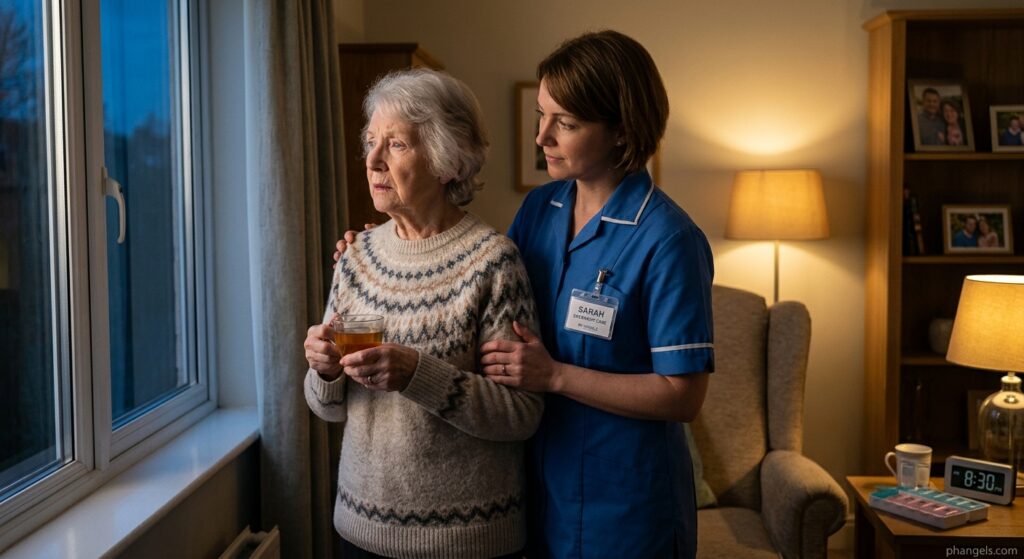
24 hour in home care for elderly loved ones means having a trained caregiver present at all times — day and night — to help with personal care, safety, meals, medication, and companionship.
Here’s a quick overview of what it includes and who it’s for:
| What You Need to Know | Details |
|---|---|
| What it is | Round-the-clock in-home support, 7 days a week |
| Who it’s for | Seniors with dementia, fall risks, post-surgery needs, or no local family support |
| How it works | 2-3 caregivers rotate in shifts (typically 8-12 hours each) |
| Average monthly cost | ~$24,000 (national median, 2025) |
| How to pay | Private pay, long-term care insurance, VA benefits, or Medicaid |
| vs. assisted living | More personalized; seniors stay in their own home |
Caring for an aging parent or spouse is one of the hardest things a family faces. You want them safe. You want them comfortable. And you want to be able to sleep at night knowing someone is there if something goes wrong.
For many Bay Area families, that peace of mind comes from professional 24-hour in-home care — support that goes far beyond a few hours a day.
At Premier Homecare Angels, we’ve spent years providing compassionate 24 hour in home care for elderly residents across Alameda, San Leandro, Berkeley, Oakland, and the surrounding Bay Area. Our trained caregivers specialize in dementia care, personal care, and helping seniors age safely at home — on their terms.
What is 24-Hour In-Home Care?
When we talk about 24 hour in home care for elderly individuals, we are referring to a comprehensive level of support where a professional caregiver is present in the home every minute of the day and night. This isn’t just a visitor who drops by to check the mail; it is continuous supervision designed to ensure safety, health, and emotional well-being.
According to an AARP study, 77% of seniors want to stay in their homes as they age. This desire for “aging in place” is powerful. It allows seniors to keep their routines, live among their own memories, and maintain a sense of autonomy that is often lost in institutional settings.
Our 24-hour services include a wide range of senior care services tailored to the individual. This typically involves:
- Personal Care: Assistance with bathing, grooming, dressing, and toileting.
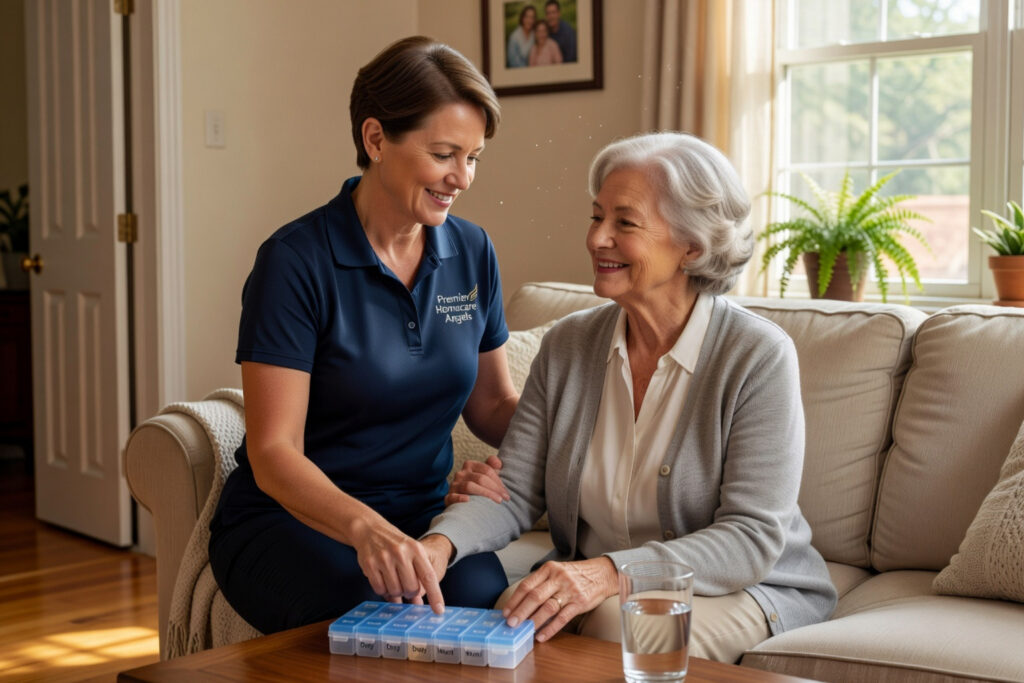
- Medication Management: Ensuring prescriptions are taken on time and in the correct dosages.
- Meal Preparation: Cooking nutritious meals and ensuring proper hydration.
- Mobility Assistance: Helping seniors move safely around the house to prevent falls.
- Light Housekeeping: Keeping the living environment clean and organized.
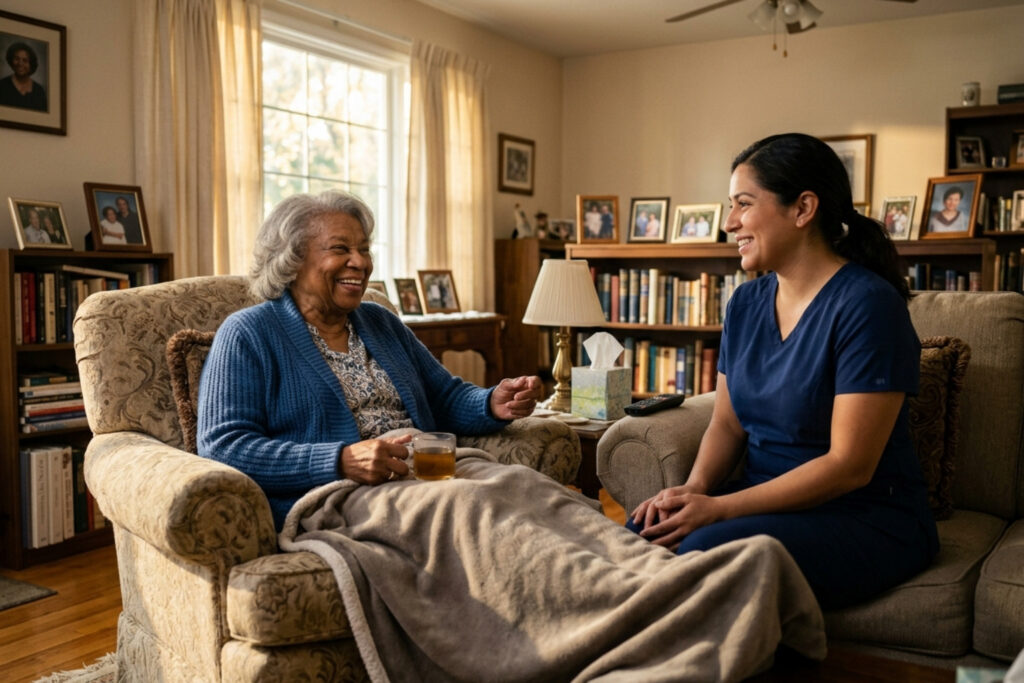
- Companionship: Engaging in conversation, hobbies, and social interaction to prevent isolation.
24-Hour Care vs. Live-In Care
One of the most common questions we hear from families in Oakland and Berkeley is: “What is the difference between 24-hour care and live-in care?” While they sound similar, the logistics are quite different.
| Feature | 24-Hour Care (Shift-Based) | Live-In Care |
|---|---|---|
| Caregiver Structure | 2-3 caregivers rotating in 8-12 hour shifts | 1 caregiver staying for 3-4 days at a time |
| Supervision | Caregivers are awake and alert 24/7 | Caregiver requires 8 hours of sleep |
| Sleeping Quarters | Not required for the caregiver | Separate bedroom/bed required |
| Cost | Generally higher due to hourly rates | Often a flat daily rate (more affordable) |
| Best For | Seniors who wander at night or need frequent help | Seniors who sleep through the night |
In a 24-hour shift-based model, there is never a “gap” in care. The caregiver on the night shift is awake and ready to assist if your loved one needs to use the bathroom at 3:00 AM or becomes confused due to sundowning. In contrast, a live-in caregiver resides in the home but must be allowed a dedicated period of sleep. If your loved one is a high fall risk or frequently wakes up disoriented, the shift-based 24 hour in home care for elderly model is usually the safer choice.
Warning Signs Your Loved One Needs 24 Hour In-Home Care for Elderly
Recognizing the transition from “needing a little help” to “needing constant care” can be difficult. Often, family members try to fill the gaps themselves until they reach a breaking point.

If you live in the Bay Area—from Hayward to Walnut Creek—keep an eye out for these ten critical warning signs:
- Wandering: If your loved one has walked out of the house and forgotten where they are or how to get back, they need immediate 24/7 supervision.
- Frequent Falls: A history of trips or “near misses” suggests that mobility has declined to a dangerous level.
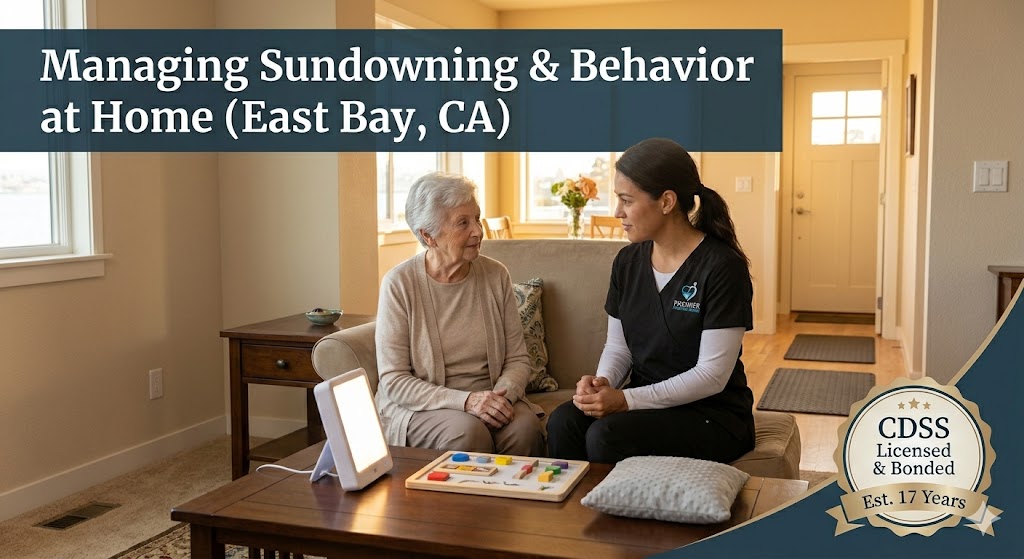
- Sundowning: This is a state of confusion and agitation that occurs in the late afternoon and evening, often leading to risky behaviors at night.
- Incontinence: Difficulty managing hygiene can lead to skin infections and significant distress.
- Cognitive Decline: Forgetting to turn off the stove, losing track of the date, or failing to recognize familiar faces.
- Post-Hospitalization: Returning home after a major surgery (like a hip replacement) often requires a few weeks of round-the-clock help to prevent re-hospitalization.
- Isolation: Withdrawing from social activities or neglecting hobbies can lead to rapid mental decline.
- Weight Loss: If the fridge is empty or your loved one is forgetting to eat, their physical health is at risk.
- Decreased Agility: Difficulty getting out of a chair or navigating stairs independently.
- Family Caregiver Burnout: If you are feeling overwhelmed, exhausted, or unable to manage your own life because of caregiving duties, it is time for professional reinforcement.
For more details on identifying these needs, see our guide to non-medical senior care in the Bay Area.
Specialized 24 Hour In-Home Care for Elderly Conditions
Not all 24-hour care is the same. Many seniors require specialized support based on their specific health challenges. At Premier Homecare Angels, we match caregivers who have the right training for these specific scenarios:
- Dementia and Alzheimer’s Care: These conditions require caregivers who understand how to manage mood swings, repetitive questions, and the safety risks associated with memory loss.
- Post-Surgery Recovery: After a stay at a facility in Berkeley or Lafayette, a senior may need intensive help with physical therapy exercises, wound care, and mobility for a short duration.
- Hospice and Palliative Support: We work alongside hospice agencies to provide the “eyes and ears” in the home, ensuring the senior is comfortable, pain-managed, and never alone during their final days.
Understanding the basics of non-medical elderly care 101 can help you decide which specialized path is right for your family.
The Cost and Financial Planning for Round-the-Clock Care
Let’s talk numbers. We know that cost is a major factor for families in high-cost areas like Piedmont and Pleasanton.
The national median cost for non-medical home care in 2025 is approximately $33 per hour. When you calculate this for a full 24-hour cycle, the costs add up quickly:
- Daily: ~$792
- Weekly: ~$5,544
- Monthly: ~$23,839 to $24,000
While these figures may seem daunting, it is important to compare them to the alternatives. While the median cost of assisted living is significantly lower (around $5,190 per month), that price usually only covers a basic room and board. High-acuity care in a facility—especially memory care—can quickly approach the cost of staying at home, without the benefit of one-on-one attention.
You can find a more localized breakdown in our in-home care costs guide.
How to Pay for 24 Hour In-Home Care for Elderly
Most families use a combination of methods to fund round-the-clock care. Here are the most common avenues:
- Private Pay: Using savings, pensions, or the sale of a home. Many families find that the 15–20 month average duration of in-home care makes this a manageable short-to-medium-term solution.
- Long-Term Care Insurance (LTCI): If your loved one has a policy, it often covers a significant portion of home care. We can even help with direct billing and claims handling to take the paperwork off your plate.
- VA Benefits: Veterans and their surviving spouses may be eligible for the “Aid and Attendance” benefit, which provides monthly payments specifically for home care.
- Medicaid (Medi-Cal in California): While Medi-Cal primarily funds nursing homes, certain waiver programs may provide assistance for in-home care, though eligibility is strict and coverage for 24/7 care is rare.
For a deeper dive into these options, read about the secret to affordable live-in homecare and our financial overview of senior care costs.
Choosing a Reliable 24-Hour Care Provider
Selecting the right agency is about more than just finding a warm body to fill a shift. It’s about trust. Your caregiver will be in your loved one’s home, often while they are at their most vulnerable.
When comparing the 10 best senior home care agencies, look for these “must-haves”:
- W-2 Employees: Avoid agencies that use independent contractors (1099). W-2 employees are fully insured, background-checked, and supervised by the agency, which provides much better accountability.
- Rigorous Screening: This should include criminal background checks, TB testing, and verification of experience.
- Continuous Training: Caregivers should receive at least 12 hours of annual training on topics like dementia, fall prevention, and infection control.
- Quality Assurance: A good agency will conduct in-person visits every 90 days to ensure the care plan is being followed and the senior is thriving.
We take great pride in our reputation. You can read verified caregiver reviews to see how we have helped other families in the Bay Area find peace of mind.
Frequently Asked Questions about 24-Hour Care
How many caregivers are involved in 24-hour care?
To provide seamless 24 hour in home care for elderly clients, we typically use a team of 2 to 3 caregivers. They work in rotating shifts (usually 8 or 12 hours). This ensures that each caregiver is well-rested, alert, and capable of providing high-quality care. We aim for consistency, so the same few faces become a regular part of your loved one’s life.
Does insurance cover 24 hour in home care for elderly?
Standard health insurance and Medicare generally do not cover long-term, non-medical 24-hour home care. Medicare may cover “Home Health” (skilled nursing or physical therapy) on a short-term basis after an injury, but not round-the-clock companionship or personal care. Long-term care insurance and VA benefits are the most common insurance-based ways to pay for these services.
How does 24-hour care support family caregivers?
It saves them. Family caregiver burnout is a real medical condition that can lead to depression and physical illness. By bringing in professional help, you transition from being a “full-time nurse” back to being a son, daughter, or spouse. This “respite care” allows you to work, sleep, and care for your own children while knowing your loved one is in expert hands.
Conclusion
At Premier Homecare Angels, we believe that every senior deserves to age with dignity in the place they love most: their home. Whether you are in Albany, El Cerrito, or Castro Valley, our mission is to provide the highest standard of 24 hour in home care for elderly residents.
We don’t just provide a service; we treat every client like family. From our rigorous caregiver screening to our personalized care plans, we are here to support you every step of the way.
Don’t wait until a crisis happens. Start your home care journey today by scheduling a free, no-obligation consultation with our Bay Area experts. Let us help you bring safety, comfort, and peace of mind back into your home.