
Why a Companion in Home Care Can Change Everything for Your Loved One
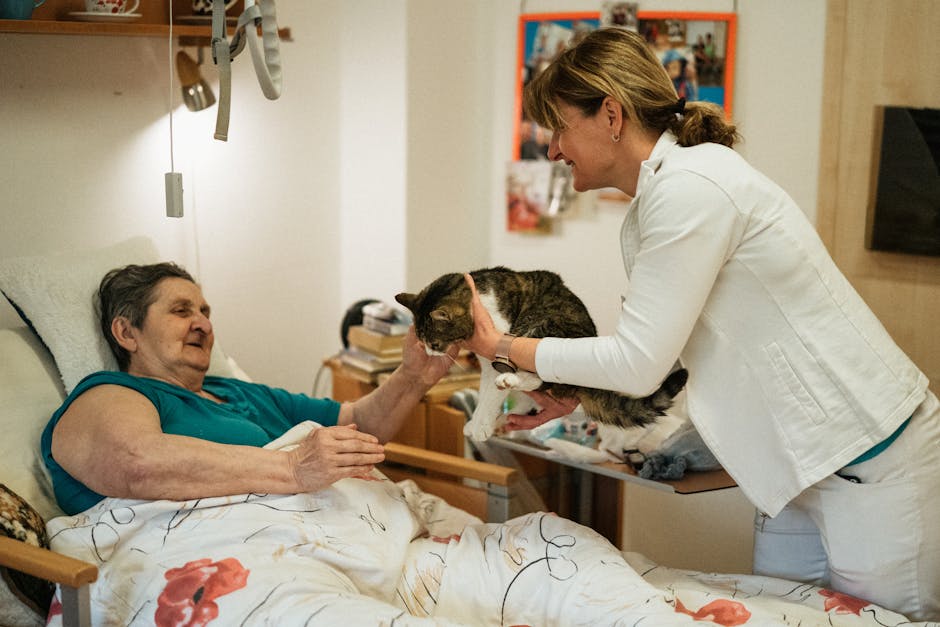
A companion in home care is a trained, non-medical caregiver who provides social interaction, emotional support, and practical daily assistance to help seniors live safely and happily at home.
Here’s a quick look at what companion care includes:
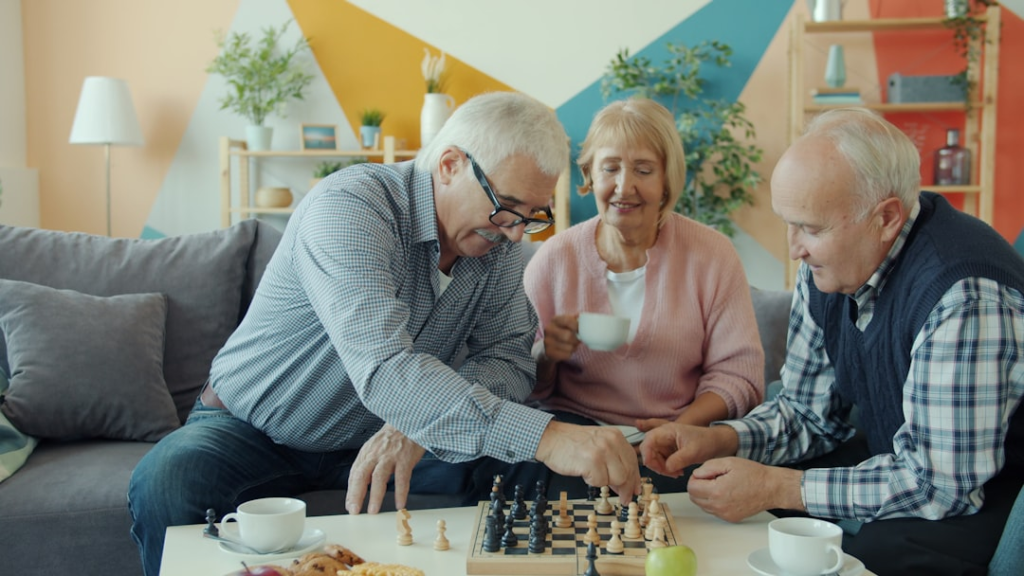
- Social support – conversation, shared meals, hobbies, games
- Daily assistance – light housekeeping, meal prep, errands, transportation
- Safety oversight – medication reminders, fall prevention, health monitoring
- Emotional connection – reducing loneliness, building routine, providing consistency
No doctor’s referral is needed, and care can be scheduled as little or as often as your loved one needs.
The numbers behind senior loneliness are hard to ignore. According to the CDC, 1 in 3 adults over 45 feels lonely. Nearly 1 in 4 adults over 65 is considered socially isolated. And research shows that lack of social connection can raise the risk of premature death by 50%.
For many families in the Bay Area, the challenge isn’t just finding care – it’s finding the right kind of care. One that treats your loved one as a whole person, not just a list of tasks to complete.
That’s exactly where companion care comes in.
At Premier Homecare Angels, we’ve built our companion care services around this belief – serving seniors across Alameda, San Leandro, Berkeley, Oakland, and surrounding Bay Area communities with the kind of compassionate, personalized support that makes aging at home feel safe and meaningful. Our experience with companion in home care spans a wide range of needs, from early-stage dementia to post-illness recovery, and we’re here to help your family find the right fit.
Explore more about companion in home care:
Understanding the Role of a Companion in Home Care
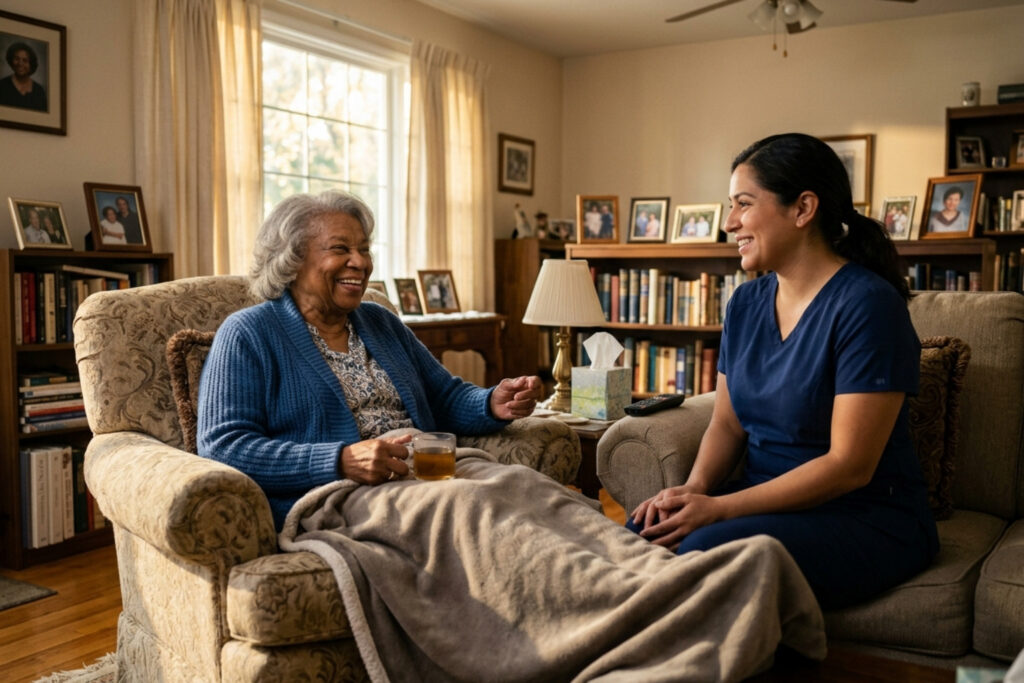
When we talk about a companion in home care, we aren’t just talking about someone who sits in a chair and watches the clock. We are talking about a lifeline. For many seniors in places like Albany or Castro Valley, the transition from complete independence to needing help can be jarring. A companion acts as a bridge, offering non-medical support that focuses on the “human” side of aging.
Unlike clinical care, which focuses on wound changes or physical therapy, the heart of home care exploring companion services for seniors is about emotional health. A companion is there to listen to stories about the old days in Oakland, to help navigate a new tablet to FaceTime the grandkids, or simply to provide a steady arm during a walk through a park in El Cerrito.

Distinguishing the Levels of Care
It is common for families to feel overwhelmed by the terminology used in the senior care industry. To help you make the best decision for your family in Hayward or Pleasanton, it is important to understand how a companion in home care differs from other services.
| Feature | Companion Care | Personal Care | Home Health Aide (HHA) |
|---|---|---|---|
| Primary Focus | Socialization & Emotional Support | Physical Assistance (ADLs) | Clinical & Medical Support |
| Hands-on Help | No (Supervisory only) | Yes (Bathing, Dressing) | Yes (Medical monitoring) |
| Medical Tasks | None | Limited (Meds reminders) | Vital signs, wound care |
| Housekeeping | Light duties & Errands | Included | Secondary to medical |
| Referral Needed | No | No | Often Yes (by a doctor) |
A companion provides what many call “watchful oversight.” They can supervise a senior while they bathe to ensure they don’t slip, but they don’t typically provide the hands-on scrubbing that a personal care aide would. This makes it an ideal “middle ground” for seniors who are still relatively independent but shouldn’t be left entirely alone.
Essential Services and Well-being Benefits
The benefits of having a companion in home care extend far beyond having someone to do the dishes. We believe in “Interactive Caregiving”—the idea that we don’t just do things for our clients; we do things with them. This approach transforms a mundane task into an opportunity for cognitive stimulation and physical movement.
Whether it’s gardening together in a backyard in Walnut Creek or folding laundry while chatting about current events, these interactions keep the mind sharp and the spirit high.
Daily Assistance from a Companion in Home Care
While the emotional bond is the soul of companion care, the practical services are the backbone that allows seniors to age in place safely. In our experience serving families from Lafayette to San Leandro, the following services are the most requested:
- Light Housekeeping: Keeping a home tidy is about more than aesthetics; it’s about safety. Removing clutter prevents falls, and keeping the kitchen clean prevents illness.
- Meal Preparation: Many seniors fall into a “tea and toast” diet because cooking for one feels like too much work. A companion ensures nutritious meals are prepared and shared.
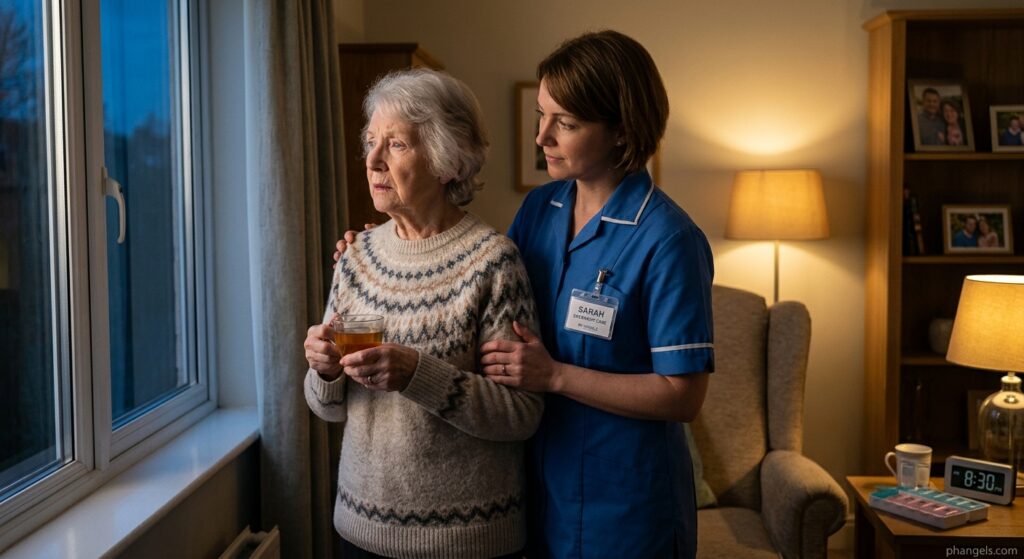
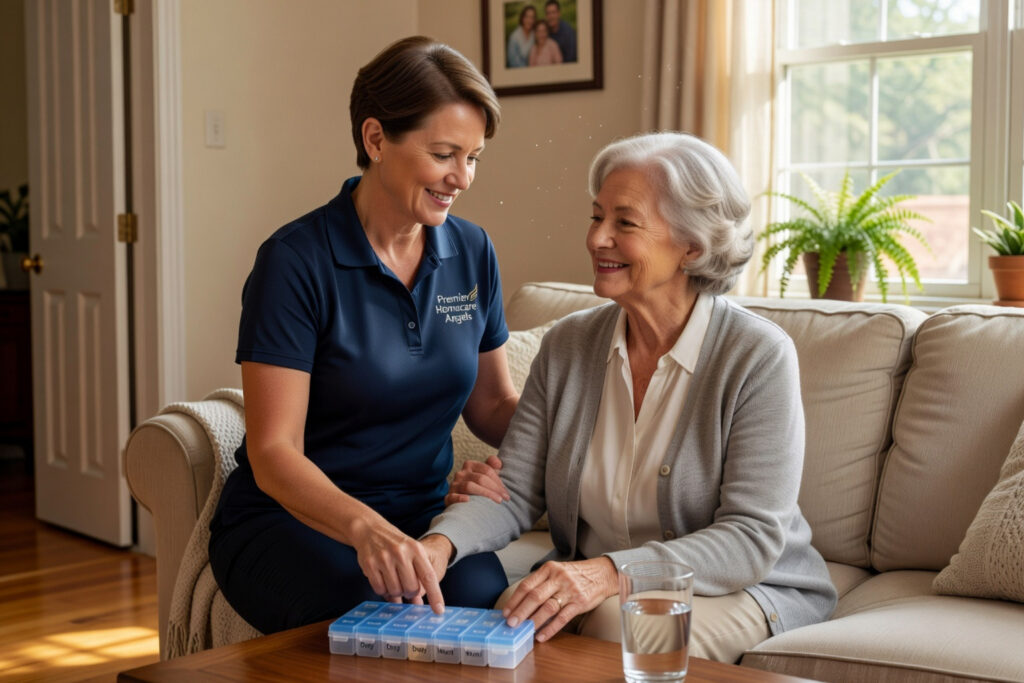
- Medication Reminders: While companions don’t administer meds, they are excellent at ensuring the “blue pill” is taken at 9:00 AM sharp.
- Transportation: Whether it’s a doctor’s appointment in Berkeley or a trip to the senior center in Emeryville, having a reliable driver changes everything.
- Grocery Errands: Getting out to the store or having someone handle the shopping ensures the fridge is never empty.
- Laundry: Washing and drying clothes can be physically taxing; a companion handles the heavy lifting.
- Home Safety: A companion acts as an extra set of eyes, noticing if a rug is tripping the senior or if the lighting in the hallway is too dim.
By addressing these daily needs, more than just a visit the benefits of companion care for seniors become evident: the senior stays independent longer, and the family gets much-needed peace of mind.
Emotional Support with a Companion in Home Care
We cannot overstate the impact of social isolation. Statistics show that 1 in 4 adults over 65 is socially isolated, which is linked to higher risks of depression, heart disease, and cognitive decline. In fact, a lack of social connection can increase the risk of premature mortality by 50%.
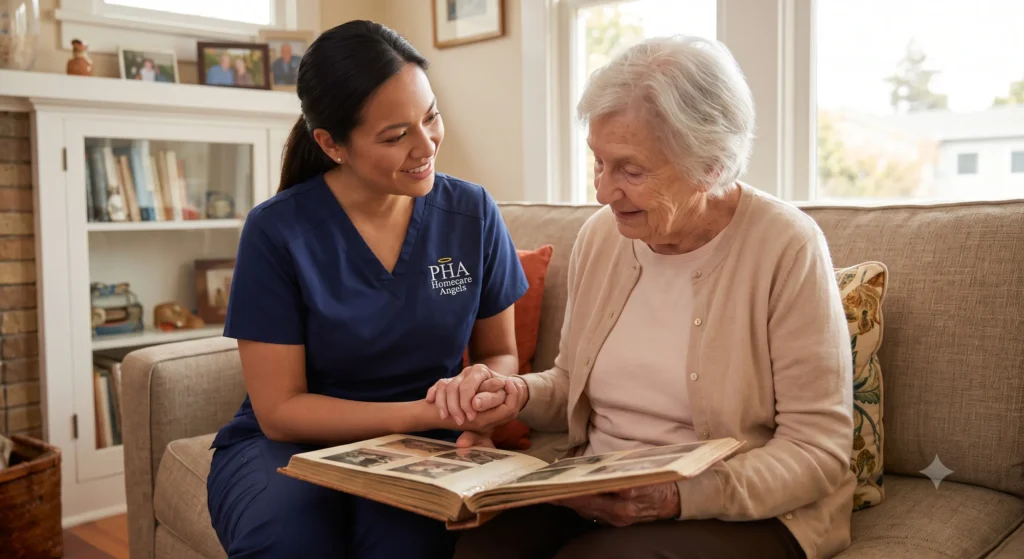
A companion in home care provides the meaningful conversation that keeps the brain engaged. For a senior living alone in Piedmont or Kensington, that daily chat about the news or a shared game of Scrabble isn’t just “fun”—it’s a medical necessity for mental well-being. Companion care for seniors is about building a relationship where the caregiver becomes a “trusted friend” rather than just a service provider.
How to Hire and Finance a Companion Caregiver
Finding the right companion in home care can feel like a daunting task. Do you hire a neighbor’s teenager? Do you find someone on a generic job board? Or do you go through a professional agency?
In the Bay Area, we highly recommend the agency route for several reasons. A reputable agency handles the heavy lifting of vetting. This includes:
- Rigorous Background Checks: Ensuring the person in your home has a clean record.
- Training: Making sure they understand how to handle specific situations, such as early-stage dementia.
- Personality Matching: This is the “secret sauce.” We look for shared interests—if your dad loves jazz, we try to find a companion who appreciates a good saxophone solo.
The Cost of Companion Care
Understanding the financial side is crucial for long-term planning. According to recent data, the national median hourly rate for companion care (often categorized as homemaker services) is approximately $26 per hour. However, in high-cost areas like the Bay Area—including cities like Walnut Creek and Berkeley—rates may vary based on the level of specialized care required.
When it comes to paying for a companion in home care, there are several avenues to explore:
- Private Pay: Most families pay out of pocket for these services.
- Long-Term Care Insurance: Many policies cover non-medical home care once certain “activities of daily living” (ADLs) are impacted.
- VA Benefits: Veterans and their surviving spouses may be eligible for the “Aid and Attendance” benefit, which can significantly offset the cost of home care.
- Medicare Advantage: While traditional Medicare does not cover companion care, some newer Medicare Advantage plans have begun offering limited home care benefits. It is always worth checking your specific plan’s summary of benefits.
Flexibility in Scheduling
One of the greatest advantages of finding your perfect match a deep dive into senior companion care is the flexibility. You aren’t locked into a 40-hour work week.
- Hourly: Maybe you just need someone for four hours on Tuesdays and Thursdays.
- Daily: Consistent check-ins every morning to start the day right.
- Respite Care: A temporary solution to give family caregivers a break so they can attend their own appointments or take a vacation.
- 24/7 or Live-in: For those who need constant supervision but don’t require medical intervention.
Frequently Asked Questions about Companion Care
Does Medicare cover companion care services?
Generally, no. Traditional Medicare (Parts A and B) is designed to cover “medically necessary” clinical care. Because companion care is non-medical, it usually falls outside their coverage. However, as mentioned, some Medicare Advantage (Part C) plans are starting to include “supplemental benefits” that may cover a certain number of hours of in-home support. Always call your provider to confirm.
What is the difference between a companion and a personal care aide?
Think of it as the difference between a “friend who helps” and a “caregiver who assists.” A companion focuses on the environment and the mind—socializing, light cleaning, and errands. A personal care aide is trained for “hands-on” work, such as helping a senior get in and out of the shower, dressing them, or assisting with toileting. If your loved one needs help with physical hygiene, you are looking for professional companion services that include personal care.
How do I know if my loved one needs a companion in home care?
Look for the subtle signs. Is the fridge full of expired milk? Is your loved one wearing the same clothes three days in a row? Have they stopped going to their weekly bridge game in Alameda? Are they repeating the same stories or appearing more confused? These are often signs of loneliness or the early stages of cognitive decline. A non-medical companion care service can step in before a crisis occurs, providing the structure and socialization needed to keep them safe.
Conclusion
The journey of aging doesn’t have to be a lonely one. Whether your loved one is in the hills of Berkeley or the quiet streets of Pleasanton, a companion in home care can be the difference between simply “getting by” and truly thriving.
At Premier Homecare Angels, we are more than just a service; we are a family-centered team dedicated to the Bay Area. We believe that every senior deserves to age with dignity, surrounded by the things they love, with a companion who truly cares about their well-being. From Albany to El Cerrito, we provide the personalized care plans that make aging in place a beautiful reality.
If you’re ready to see how a companion can brighten your loved one’s day and provide your family with the support you deserve, we invite you to reach out. Let’s talk about how we can help your family find the perfect match.
Learn more about our Home Care Services and how we can support your journey today.