
Why Finding Affordable Home Care Feels So Hard (And How to Make It Easier)
Affordable home care is in-home support that helps seniors with daily tasks — like bathing, meals, and companionship — at a cost that fits a real family budget.
Here is a quick overview of what affordable home care typically includes:
- Personal care – help with bathing, dressing, and grooming
- Companionship – social interaction and emotional support
- Meal preparation – cooking and nutrition support
- Light housekeeping – laundry, tidying, and errands
- Specialized care – dementia support, fall prevention, and hospice assistance
- Flexible scheduling – from as little as 1 hour per day up to 24-hour live-in care
Finding the right care for someone you love is one of the hardest things a family can face. You want them safe. You want them happy. And you need it to be something you can actually afford.
Many families worry that quality in-home care is out of reach. But the good news is that home care is often more affordable than assisted living or nursing facilities — and it lets your loved one stay exactly where they want to be: at home.
At Premier Homecare Angels, we have been providing professional, compassionate in-home care to seniors across Alameda County, Oakland, Berkeley, and the wider Bay Area, and we understand what families need when searching for affordable home care. We are here to help you navigate your options with confidence and clarity.
Key Affordable home care vocabulary:
Understanding Affordable Home Care and Its Benefits
When we talk about affordable home care, we are referring to a range of services designed to help seniors age in place—meaning they stay in their own homes rather than moving to an institutional setting. This is a massive win for a senior’s quality of life. Research shows that staying in a familiar environment, surrounded by their own possessions and memories, helps seniors maintain their spirit and independence far longer than a move to a facility might.
The Human Touch: Non-Medical Care
Most affordable home care falls under the category of “non-medical” care. While “medical” care involves nurses and doctors treating specific injuries or illnesses, non-medical care focuses on the activities of daily living (ADLs). This type of support is often the “missing piece” that allows a senior to remain at home safely.
By choosing non-medical support, families can avoid the high overhead costs associated with skilled nursing facilities. It is about personal dignity. Instead of being one of dozens of residents in a facility, your loved one receives one-on-one attention. We often find that our caregivers become like an extension of the family, integrating into the daily rhythm of the home with kindness and respect. For a deeper dive into how this works, check out our guide on Non-Medical Elderly Care 101 or explore The Ins and Outs of Non-Medical Home Care.
Key Services Provided by Affordable Home Care Agencies
What does a typical day look like with a caregiver? It’s less about “supervision” and more about “partnership.” Affordable home care agencies provide a variety of services tailored to the individual:
- Personal Care: Dignified assistance with bathing, toileting, and dressing.
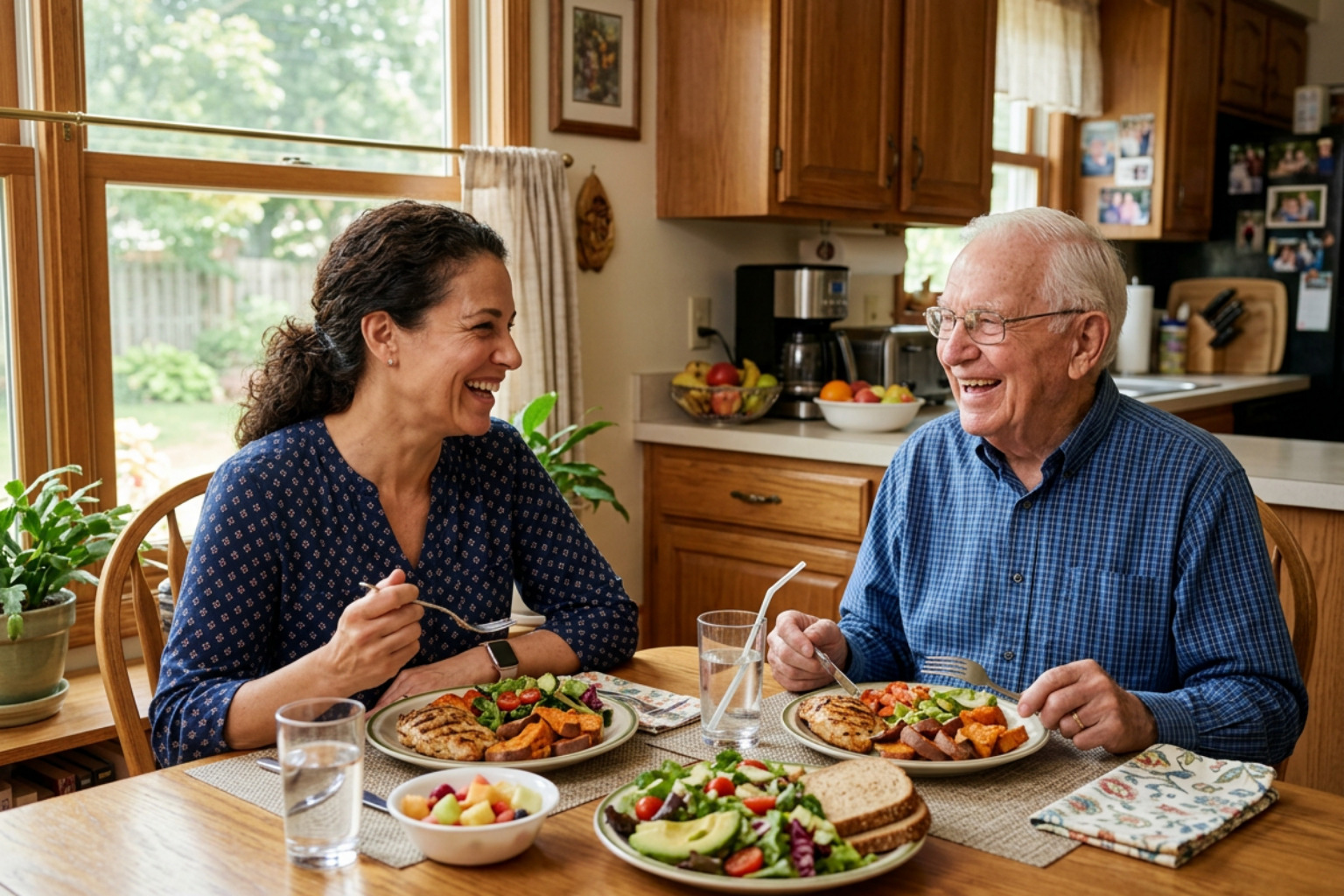
- Meal Preparation: Ensuring your loved one eats nutritious, home-cooked meals rather than relying on frozen dinners.
- Light Housekeeping: Keeping the living environment clean and safe by handling laundry, dishes, and basic tidying.
- Fall Prevention: Identifying tripping hazards and providing physical steadying to prevent dangerous accidents.
- Companionship: Perhaps the most underrated service, providing social engagement that staves off loneliness and depression.
If you are curious about the full breadth of what we can do, you can Learn More About Our Services.
Specialized Support for Chronic Conditions
Affordability doesn’t mean basic. Many families in the Bay Area require specialized support for complex health journeys. We provide tailored care for:
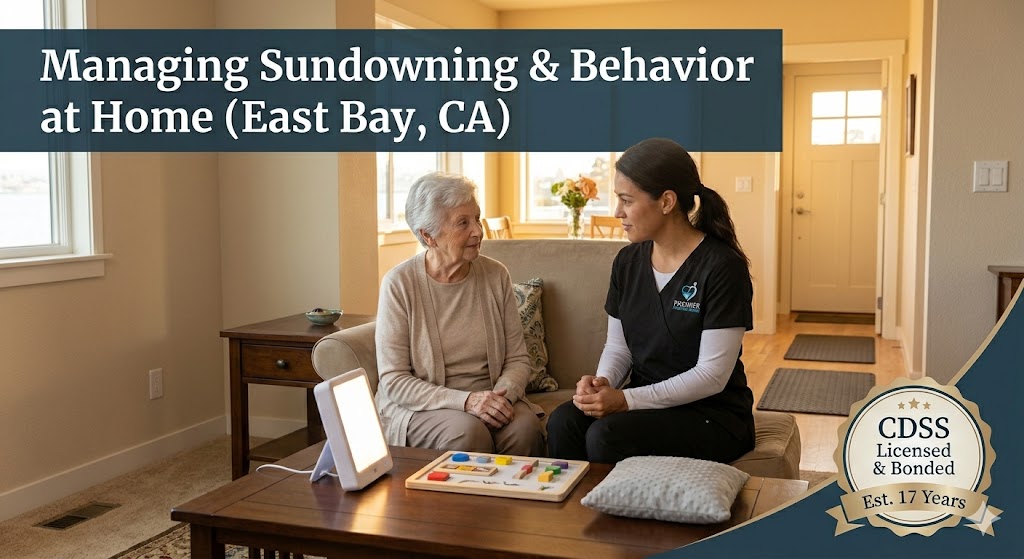
- Alzheimer’s and Dementia Support: Specialized memory care that focuses on safety and reducing “sundowning” or agitation through familiar routines.
- Hospice Care Support: Working alongside medical hospice teams to provide comfort, hygiene, and emotional support during a senior’s final chapters.
- Mobility Assistance: Helping those with Parkinson’s or post-stroke recovery move safely around their homes.
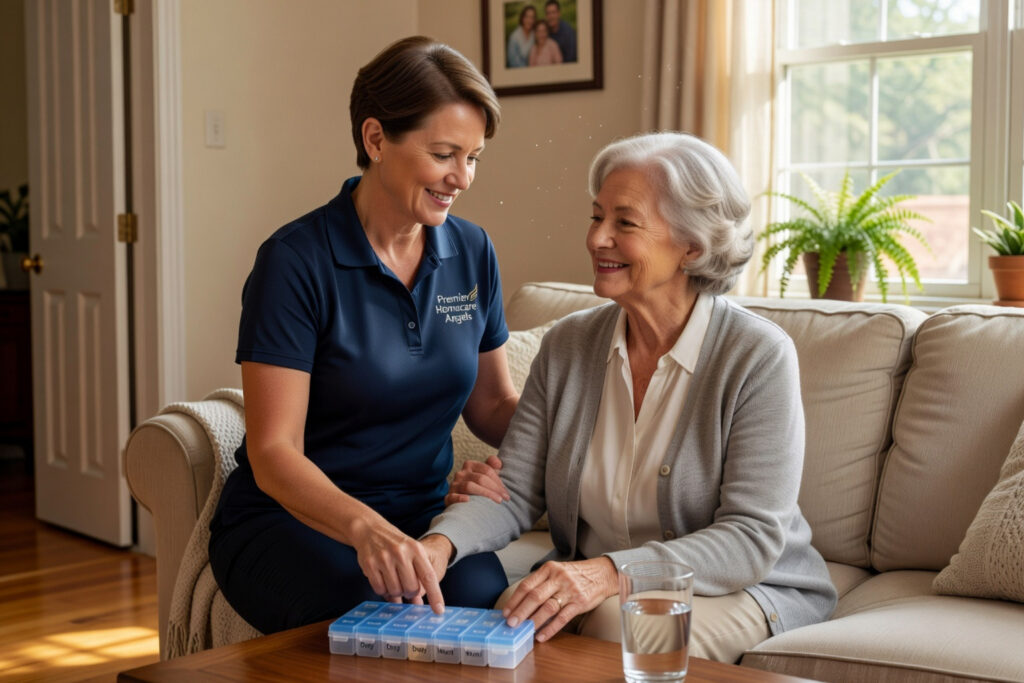
- Medication Reminders: Ensuring that life-saving prescriptions are taken on time and in the correct dosage.
Decoding the Costs of In-Home Senior Support
One of the biggest questions we hear is: “How much is this going to cost?” Understanding the financial side is the first step toward peace of mind. Unlike a nursing home, which usually has a flat, high monthly fee, affordable home care is highly customizable.
| Service Type | Typical Structure | Best For |
|---|---|---|
| Hourly Care | Billed by the hour | Seniors who only need help for part of the day |
| Overnight Care | Shift-based | Seniors who are prone to wandering or need help at night |
| Live-in Care | Daily rate | 24/7 peace of mind without the “24-hour price tag” |
| Respite Care | Short-term/As needed | Giving family caregivers a much-needed break |
A major advantage of working with agencies like ours in the Bay Area is flexibility. Some providers have “no minimum requirements,” meaning you can book service for as little as one hour or as much as 24 hours a day. This allows you to scale care up or down as your budget or your loved one’s needs change. For a full breakdown, read our article Decoding In-Home Care Costs for Seniors: A Comprehensive Financial Overview.
Factors Influencing Affordable Home Care Pricing
Several factors will determine your final bill. In regions like Lafayette, Walnut Creek, or Berkeley, several variables come into play:
- Geographic Location: Rates can vary slightly by city based on local labor markets.
- Frequency of Care: Naturally, 40 hours a week costs more than 10, but many agencies offer better rates for consistent, long-term schedules.
- Complexity of Needs: Specialized dementia care or total-transfer mobility assistance may require caregivers with higher levels of training.
To get a better sense of how to budget, see our guide: In-Home Care Costs: Your Guide to Finding Quality.
Financial Assistance and Insurance Coverage
While many families pay for home care out-of-pocket, there are resources available to help make it more manageable.
- Long-Term Care Insurance: If your loved one has a policy, it often covers in-home non-medical care.
- Medicaid (Medi-Cal in California): For those who qualify, state programs may provide waivers or managed care plans that cover home-based support. In some regions, providers coordinate directly with managed care organizations to ensure seniors get the help they need without financial ruin.
- Veterans Benefits: Programs like the Aid and Attendance benefit can provide significant monthly stipends to veterans and their surviving spouses to pay for home care.
How to Select the Right Care Provider for Your Family
Choosing a caregiver isn’t just about finding a resume; it’s about finding a “match.” You are inviting someone into the most private spaces of your loved one’s life.
Caregiver Matching and Personality Compatibility
A great agency doesn’t just send the first person available. We look at personality, interests, and even a sense of humor. If your dad loves baseball and jazz, he probably won’t bond as well with a caregiver who only wants to talk about the weather. Compatibility reduces stress for the senior and makes the transition to having help much smoother.
Ensuring Quality and Safety in the Home
When looking for affordable home care, never compromise on safety. A reputable agency should handle the “heavy lifting” of employment for you, including:
- Rigorous Background Checks: Ensuring every person entering the home has a clean record.
- Ongoing Training: Caregivers should be up-to-date on the latest fall prevention techniques and memory care strategies.
- Verified Reputation: Look for agencies with strong ratings (such as 4.5 stars or higher) and real client testimonials. Real-world feedback often highlights the “extra mile” caregivers go—like treating a client like their own parent.
The Importance of Flexible Scheduling
Life is unpredictable. Sometimes you need a caregiver for a holiday so the rest of the family can gather. Other times, you might need an emergency overnight visit because a family member got sick.
- Respite Care: This is “care for the caregiver.” It allows family members to take a vacation or just a nap, knowing their loved one is in safe hands.
- 24/7 Monitoring: For seniors at high risk of falls or those with advanced dementia, around-the-clock care ensures they are never alone and vulnerable.
Maximizing Value with Affordable Home Care Solutions
The goal of affordable home care isn’t just to “get by”—it’s to help your loved one thrive. When care is done right, it actually saves money in the long run.
Preventing Hospital Readmission
One of the most expensive things that can happen to a senior is a hospital stay. Caregivers help prevent this by:
- Ensuring medications are taken correctly.
- Preparing healthy meals to manage conditions like diabetes or heart disease.
- Spotting small health changes before they become emergencies.
Emotional Well-being and Social Engagement
Loneliness is a silent health crisis for seniors. A caregiver provides more than just a helping hand; they provide a reason to get up and engage with the world. Whether it’s a walk in a local park in Hayward or a trip to a senior center in San Leandro, this social interaction is vital for cognitive health. If you are looking for ways to manage costs for 24-hour needs, you might find The Secret to Affordable Live-in Homecare in Bay Area particularly helpful.
Getting Started with a Free Assessment
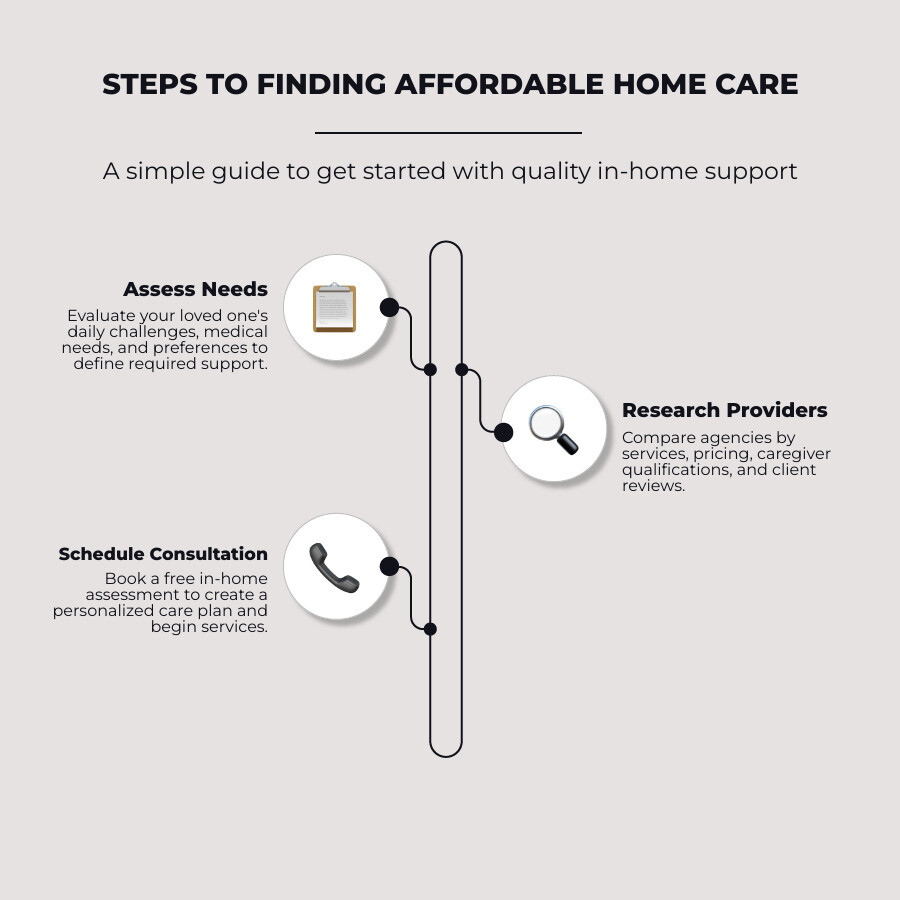
Most reputable agencies offer a “no-strings-attached” initial meeting. This is your chance to ask questions and see if the agency is a fit for your family.
- In-Home Consultation: A coordinator visits the home to meet the senior and the family.
- Safety Evaluation: They look for hazards like loose rugs or poor lighting.
- Needs Assessment: Determining exactly what tasks need help (e.g., “Mom can cook, but she can’t do the laundry anymore”).
- Care Plan Development: Creating a custom roadmap that fits your budget and your loved one’s goals.
Frequently Asked Questions about Affordable Home Care
How does home care differ from home health care?
This is a common point of confusion! Home care (what we provide) is generally non-medical. It’s about helping with daily life—cooking, cleaning, and companionship. Home health care is medical. It involves licensed nurses or therapists who come to the home to perform tasks like wound care, physical therapy, or administering injections. Many seniors use both: a nurse comes once a week, and a caregiver stays daily to help with everything else.
Can I change my care schedule as my needs evolve?
Absolutely. One of the best parts of affordable home care is its flexibility. If a senior is recovering from surgery, they might need 24/7 care for two weeks. As they get stronger, you can scale that back to just a few hours a day. A good agency will work with you to adjust the plan as often as necessary.
What qualifications should I look for in a professional caregiver?
Beyond the basics (background checks and experience), look for “soft skills.” You want someone with patience, empathy, and strong communication skills. They should be able to provide updates to the family and handle the frustrations that sometimes come with aging (like memory loss) with a calm, kind demeanor.
Conclusion
At the end of the day, we all want the same thing: for our parents and grandparents to live their golden years with dignity, comfort, and joy. Affordable home care makes that possible without forcing families to make impossible financial sacrifices.
At Premier Homecare Angels, we are proud to serve families throughout the Bay Area—from the hills of Berkeley and Piedmont to the vibrant communities of Oakland, Alameda, and Pleasanton. We treat every client like family because, to us, they are. Whether you need a few hours of help a week or full-time live-in support, we are here to ensure your loved one can stay in their “Home Sweet Home.”
If you’re ready to explore your options, we invite you to reach out. We serve a wide range of locations including Albany, Hayward, Lafayette, Emeryville, Kensington, San Leandro, Walnut Creek, Castro Valley, and El Cerrito. Let’s work together to find a solution that keeps your loved one safe and your family supported.
For more local insights, visit our page on In-Home Care in Oakland.