
Why Affordable Live-in Homecare Matters for Your Family
Affordable live-in homecare is a cost-effective option where a professional caregiver lives in your loved one’s home, providing round-the-clock support. It’s often more affordable than nursing homes, especially for couples, and offers one-on-one personalized care in familiar surroundings, maintaining independence and quality of life.
When an aging loved one needs assistance, families face difficult questions about safety, affordability, and care options. The good news is that 77 percent of adults ages 50 and older want to remain in their own homes for the long term. Live-in homecare makes this possible, allowing seniors to age in place with dignity.
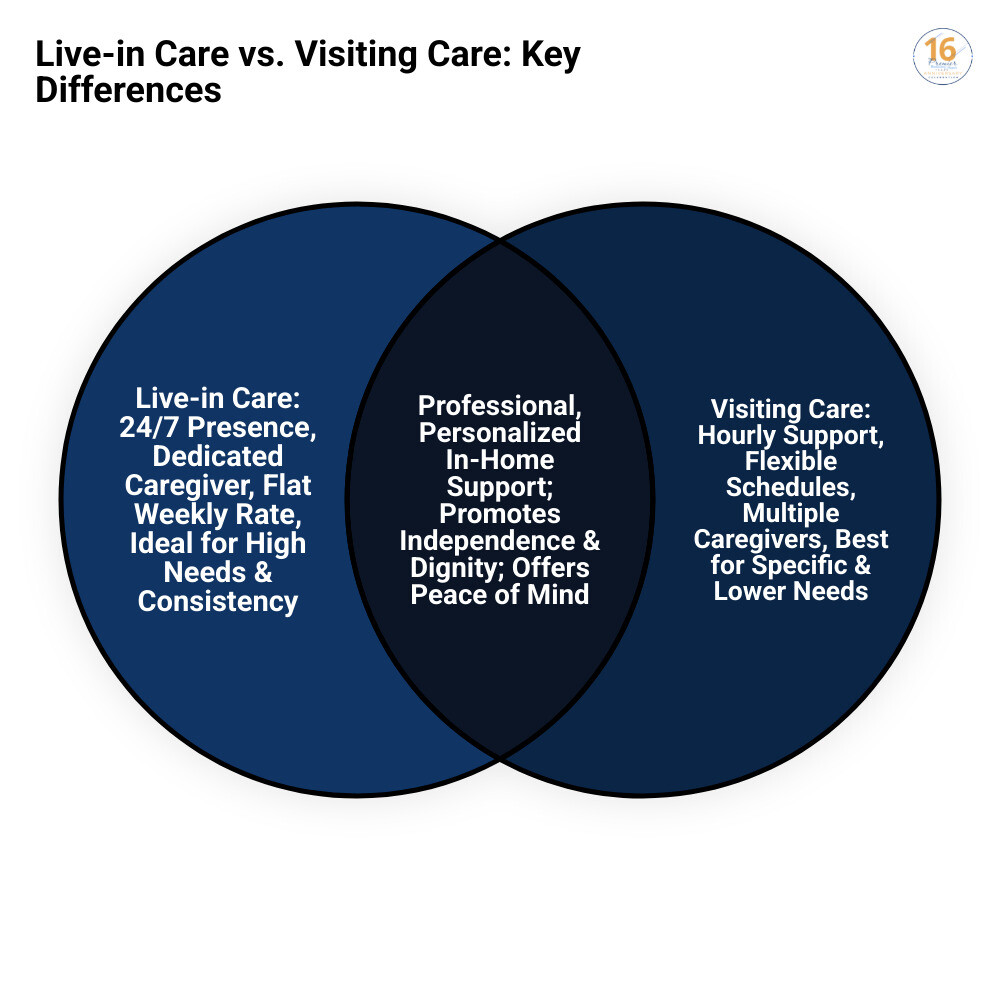
Cost concerns are real. Hourly visiting care can add up quickly. Live-in homecare often uses a flat daily or weekly rate for comprehensive support. This provides consistent care from a dedicated caregiver and can be more cost-effective than multiple daily visits from different caregivers.
Premier Homecare Angels proudly serves families in the Bay Area, California, including Albany, Alameda, Hayward, Oakland, Berkeley, Piedmont, Lafayette, Emeryville, Kensington, Pleasanton, San Leandro, Walnut Creek, Castro Valley, and El Cerrito. All information, statistics, and financial guidance in this article are custom to the U.S. context and our local service areas. We are committed to helping your loved ones thrive in their familiar environments right here in California.
Understanding Live-in Homecare: What It Is and What It Isn’t
Understanding live-in homecare is key to empowering seniors. It means a dedicated caregiver resides in your loved one’s home, offering continuous, personalized support to ensure safety, comfort, and companionship without the need to move to a facility.
Unlike assisted living’s communal setting, live-in care keeps your loved one in their familiar surroundings. It also differs from visiting care’s scheduled hours, as assistance is available around the clock for peace of mind.
The core benefit is one-on-one support. A dedicated caregiver provides undivided attention, fostering a trusting relationship. This personalized approach helps maintain independence and routines, leading to improved well-being and quality of life.

What Services Are Typically Included?
Our live-in care packages cover a wide range of daily needs to ensure your loved one’s comfort and well-being:
- Personal care: Dignified assistance with bathing, dressing, grooming, and personal hygiene.
- Companionship: Engaging in conversations, hobbies, and activities to reduce loneliness.
- Medication reminders: Ensuring medications are taken on time and as prescribed.
- Meal preparation: Planning and preparing nutritious meals custom to dietary needs.
- Light housekeeping: Keeping the living environment tidy, including dishes and laundry.
- Transportation: Providing safe transport to appointments, social outings, and shopping.
- Errands: Assisting with grocery shopping, prescription pickups, and other tasks.
- Mobility assistance: Helping with safe movement, transfers, and exercises.
- Dementia care support: Specialized care for Alzheimer’s or dementia, focusing on routine, safety, and managing behaviors like “sundowning.”
We tailor these services to create a personalized care plan that evolves with your loved one’s needs, which can also include pet care and appointment management.
Types of Live-in Care Arrangements
Live-in care can be structured to meet diverse needs. The most common arrangement involves a caregiver living full-time in the home, providing consistent support. This requires providing the caregiver with a private, furnished bedroom. The caregiver receives scheduled breaks and days off, during which a relief caregiver ensures seamless care. This team approach is also used for 24-hour awake care, where caregivers work in shifts for clients with more intensive needs.
Another option is a caregiver who maintains a separate residence but spends several nights a week in the senior’s home, offering flexibility for those needing significant overnight support.
Respite care is also a vital service, providing temporary live-in support to give primary family caregivers a break for a few days or weeks. We work with Bay Area families to determine the best arrangement, ensuring a stable, supportive, and respectful environment.
The True Cost of Care: Factors Influencing Live-in Homecare Prices
While the thought of round-the-clock care might seem daunting, affordable live-in homecare can be a surprisingly cost-effective solution compared to other long-term care options.
Several factors influence the cost of live-in homecare:
- Level of Care Needed: Costs differ based on whether a person needs basic companionship or specialized care for complex conditions like advanced dementia.
- Geographic Location: Costs vary significantly by region. In the Bay Area, California, where we serve, the cost of living and care services can be higher than in other parts of the U.S.
- Agency vs. Private Hire: Hiring through a reputable agency like Premier Homecare Angels may have a higher upfront cost but includes crucial benefits like caregiver vetting, training, backup care, insurance, and payroll management. This saves families time, stress, and potential legal issues. The median annual cost of an aide working 44 hours per week was $77,792 in 2024, with Bay Area median hourly rates around $30.90-$33.99.
- Caregiver Experience and Qualifications: Caregivers with specialized certifications (e.g., for dementia care) may command higher rates.
While the median daily cost for 24-hour awake care can range from $744 to $814, these figures represent a team providing continuous awake support. For a standard live-in caregiver who sleeps at night, costs are often a flat daily or weekly rate, which can be more economical than hourly care when extensive support is needed.
Potential Long-Term Cost Savings:
Live-in homecare can be a more affordable and dignified alternative to nursing homes, especially for couples. A single caregiver can often support both partners at home, unlike a nursing home which charges per person. This allows couples to stay together. Research also shows live-in care can reduce fall risks, preventing costly medical events like hip fractures, which are more common in care homes.
Investing in preventive live-in support can reduce overall long-term costs by delaying or preventing the need for more expensive institutional care, making it a smart financial and emotional investment.
| Care Type | Estimated Monthly Cost (Bay Area, CA, US) | Key Features |
|---|---|---|
| Live-in Care (Sleeps at night) | $10,000 – $18,000+ | Dedicated caregiver lives in the home, 24/7 presence, personalized one-on-one care, companionship, assistance with ADLs, light housekeeping, meal prep, transportation. Cost is typically a flat daily/weekly rate. |
| 24-Hour Awake Care (Team-based) | $22,495 – $24,745+ | Multiple caregivers work in shifts to provide continuous, awake supervision. Ideal for complex medical needs, high fall risk, or advanced dementia requiring constant active monitoring. |
| Visiting Care (Hourly, 44 hrs/week) | ~$6,500 | Caregivers visit for specific, scheduled hours. Good for intermittent needs. Median hourly rates around $30.90-$33.99. Can become very expensive if extensive hours are needed, often exceeding live-in care costs for similar support levels. |
| Assisted Living | $5,000 – $8,000+ | Residential facility with private or semi-private rooms, meals, activities, and some assistance with ADLs. Less personalized than live-in care. |
| Nursing Home | $9,000 – $15,000+ | Skilled nursing care, 24/7 medical supervision, rehabilitation services. Institutional setting, often the most expensive option. |
Your Guide to Making Affordable Live-in Homecare a Reality
We understand that securing quality care for your loved one is paramount, and finding ways to make it financially feasible is a critical concern. The good news is that affordable live-in homecare in the Bay Area is often within reach by combining various financial strategies and resources.

Tapping into Insurance and Savings for Affordable Live-in Homecare
For many families, private funds form the foundation of their care payment strategy. This can include:
- Private Pay: Using personal savings, retirement funds (IRAs, 401(k)s), pensions, or Social Security benefits.
- Health Savings Accounts (HSAs): For those with eligible health plans, HSAs allow for tax-free savings and withdrawals for qualified medical expenses, including home care. Learn more at HealthCare.gov.
- Long-Term Care Insurance: This insurance is designed to cover services like live-in homecare. Policies vary, so review the details carefully. Research options at LongTermCare.gov.
- Life Insurance Policies: Some policies can be used for care costs through Accelerated Death Benefits (accessing the benefit while alive) or Life/Viatical Settlements (selling the policy for a lump sum).
Exploring Government Programs for Affordable Live-in Homecare
Several programs can offer significant financial relief or support services:
- Medicare: Typically covers only limited, short-term, skilled home health care, not long-term non-medical care. Some Medicare Advantage plans may offer more benefits. Learn more at Medicare.gov. The GUIDE pilot program may also offer respite funds for dementia caregivers.
- Medicaid: A state-federal program for low-income individuals that may cover long-term home and community-based services (HCBS waivers) for those who qualify. Benefits vary by state; contact your state’s Medicaid office.
- Veteran’s Benefits: The VA offers programs like Homemaker and Home Health Aide Care and Veteran-Directed Care that can fund home care. Contact the VA’s caregiver support line at 1-855-260-3274 or visit their website for details: Homemaker and Home Health Aide Care and Veteran-Directed Care.
- Programs of All-Inclusive Care for the Elderly (PACE): A Medicare/Medicaid program for eligible seniors that coordinates all medical and social services to help them remain at home. Find programs via the National PACE Association.
Other Financial Strategies and Resources
Other avenues can help make live-in care more affordable:
- Home Equity: A home equity loan, HELOC, or reverse mortgage can convert home equity into tax-free funds for care. We strongly advise consulting a government-approved counselor before pursuing a reverse mortgage. The U.S. Department of Housing and Urban Development website or calling (800) 569-4287 can help you find one. Also, read the National Council on Aging’s guide, Use Your Home to Stay at Home.
- Tax Credits and Deductions: You may be eligible for federal or state tax credits for caregiving or medical expenses. Consult a tax professional or use services like AARP Foundation’s Tax-Aide.
- Eldercare Locator service: This free service from the U.S. Administration on Aging (1-800-677-1116) connects families with local resources, including Area Agencies on Aging (AAAs).
- Area Agencies on Aging (AAAs): These local agencies provide information on senior services and can connect you with local homecare agencies.
- Non-profit Grants: Resources like BenefitsCheckUp from the National Council on Aging can help you find benefits, grants, and counselors.
Choosing the Right Care: A Checklist for Families
Selecting the right live-in homecare is a monumental decision. At Premier Homecare Angels, our mission is to find the perfect match for your loved one’s unique needs.
Assessing Needs
Before anything else, we recommend a thorough assessment of your loved one’s specific requirements, including:
- Medical Conditions: What are their diagnoses, medications, or monitoring needs? Do they have dementia or Alzheimer’s?
- Safety Evaluation: What are their mobility levels? Are they a fall risk? Is the home environment safe and accessible?
- Socialization Needs: Are they prone to loneliness? What hobbies and interests do they have?
- Daily Living Activities: How much help do they need with personal care, meals, housekeeping, and transportation?
- Overnight Needs: Do they frequently wake at night or need assistance?
A clear picture of these needs helps us tailor a care plan that ensures their comfort, safety, and happiness.
How to Select a Home Care Agency
Choosing a reputable home care agency is crucial for peace of mind. Here are key questions to ask when evaluating agencies:
- Vetting Process: How does the agency screen caregivers (background checks, references, legal status)?
- Caregiver Training: What training and certifications do caregivers have, especially for conditions like dementia?
- Insurance and Bonding: Is the agency insured and bonded to protect your family from liability?
- Backup Caregiver Plans: What is the plan if the primary caregiver is unavailable?
- Client Testimonials and References: Can you speak with current or past clients?
- Contracts: Review the service agreement for fees, termination clauses, and included services.
- Communication: How does the agency communicate with families and review care plans?
- Matching Process: How are caregivers matched with clients based on needs and personality?
Evaluating a Private Caregiver
While some families hire private caregivers directly, this route comes with added responsibilities. If you choose this path, be sure to:
- Reference Checks: Always check multiple references thoroughly.
- Interview Questions: Conduct comprehensive interviews and present hypothetical scenarios to gauge problem-solving skills.
- Experience Verification: Confirm their experience and any certifications.
- Personality Match: Arrange a meeting between the caregiver and your loved one to ensure a good connection.
- Legal Responsibilities: Understand that you become an employer, responsible for payroll taxes, workers’ compensation, and labor laws. Many families prefer the security of an agency to handle these complexities.
At Premier Homecare Angels, we handle all these details for you, ensuring professional, compassionate care and peace of mind.
Frequently Asked Questions about Live-in Homecare
We often get asked similar questions from families exploring live-in homecare. Here are some of the most common ones, with our insights:
What’s the difference between a live-in carer and 24-hour care?
A live-in carer resides in the home, provides support during the day, and sleeps at night, ready to assist if needed. This model is for those who need a consistent presence but not constant, awake supervision overnight.
24-hour care involves a team of caregivers working in shifts to ensure someone is always awake and actively supervising. This is for clients with more intensive needs, such as advanced dementia, complex medical issues, or a high fall risk. It provides continuous monitoring but is more expensive.
Does a live-in carer get breaks and time off?
Yes, absolutely. Our live-in caregivers are dedicated professionals who require scheduled breaks and time off to rest and recharge. A live-in caregiver typically has a few hours of break time each day and scheduled days off (e.g., one or two days per week).
During these periods, we arrange for a qualified respite or relief caregiver to provide seamless, uninterrupted care. This ensures your loved one always has support and helps prevent caregiver burnout, which is crucial for the well-being of both the caregiver and your loved one.
Do I have to provide food and a private room for a live-in carer?
Yes, as part of the arrangement, you are expected to provide the caregiver with a private, furnished bedroom. This space serves as their personal sanctuary to rest comfortably. It’s also helpful for the room to have internet access.
Regarding food, arrangements vary. Often, families provide a food allowance or cover the cost of groceries as part of room and board. This should be clearly defined in the service agreement with Premier Homecare Angels to avoid misunderstandings. Our goal is to ensure our caregivers are well-supported so they can provide the best possible care.
Conclusion
Making affordable live-in homecare a reality involves thoughtful planning, exploring financial options, and partnering with a compassionate agency. The benefits are profound: your loved one maintains dignity and independence at home, while your family gains peace of mind from dedicated, one-on-one support.
At Premier Homecare Angels, we are dedicated to delivering quality care that allows seniors to remain securely in their familiar environments. We treat every client like family and proudly serve the Bay Area, California, including Albany, Alameda, Hayward, Oakland, Berkeley, Piedmont, Lafayette, Emeryville, Kensington, Pleasanton, San Leandro, Walnut Creek, Castro Valley, and El Cerrito.
If you’re considering live-in homecare, we’re here to help. Reach out for a free consultation to discuss a personalized care plan for your loved one.