
Why Understanding Non Medical Home Care Matters for Your Family
Non medical home care is a service that helps older adults live independently in their own homes by providing assistance with daily activities, companionship, and household tasks—without the need for medical or nursing care. For families in the Bay Area navigating care options for aging loved ones, understanding this type of support can be the difference between overwhelming stress and genuine peace of mind.
Quick Answer: What is Non Medical Home Care?
Non medical home care provides:
- Personal Care – Help with bathing, dressing, grooming, and mobility
- Companion Care – Social interaction, conversation, and activities
- Homemaker Services – Meal preparation, light housekeeping, and laundry
- Respite Care – Temporary relief for family caregivers
- Transportation – Rides to appointments, errands, and social events
No medical license required. No doctor’s orders needed. Just compassionate support for daily living.
The numbers tell a powerful story. Over 90% of seniors want to remain in their own homes as they age. They want the comfort of familiar surroundings, the dignity of independence, and the peace that comes from sleeping in their own bed. The U.S. home care market reflects this preference—it’s projected to reach $231.4 billion by 2027, growing at 7.5% annually.
But wanting to age in place and actually doing it safely are two different things. That’s where non medical home care becomes essential. It bridges the gap between complete independence and needing full-time medical assistance. It’s the sweet spot where your loved one gets help with the tasks that have become difficult, while still maintaining control over their daily life and routines.
For family caregivers juggling work, their own families, and care responsibilities, this support isn’t just helpful—it’s transformative. It means you can be a daughter or son again, not just a caregiver. It means your loved one stays safe without giving up their home. And it means everyone gets the support they actually need.
Understanding the Scope of Non Medical Home Care
When we talk about non medical home care, we’re referring to a broad spectrum of services designed to support an individual’s daily life and well-being within the comfort and familiarity of their own home. It’s about empowering seniors and those with specific needs to maintain their independence and quality of life without relying on clinical interventions. Our goal is to make daily living easier and more enjoyable.

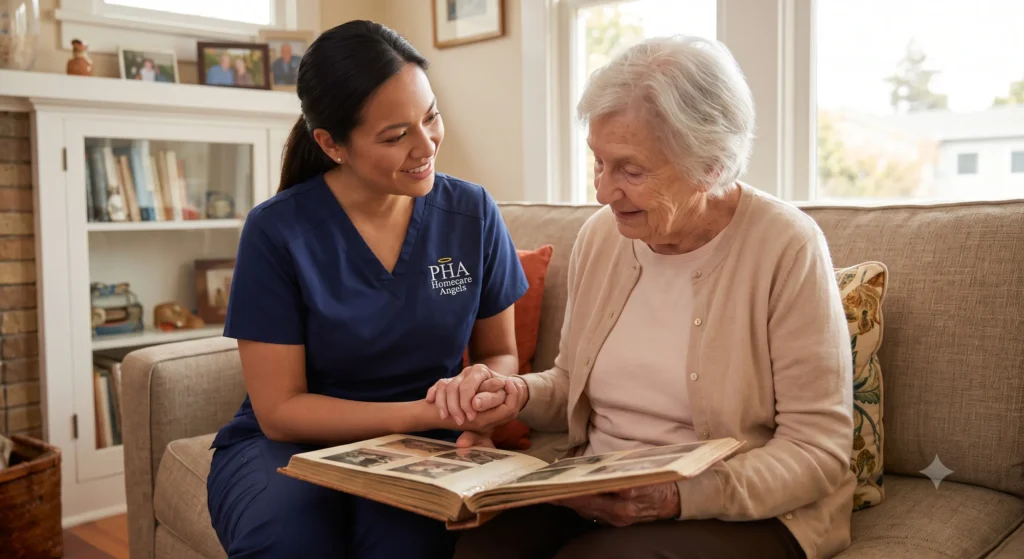
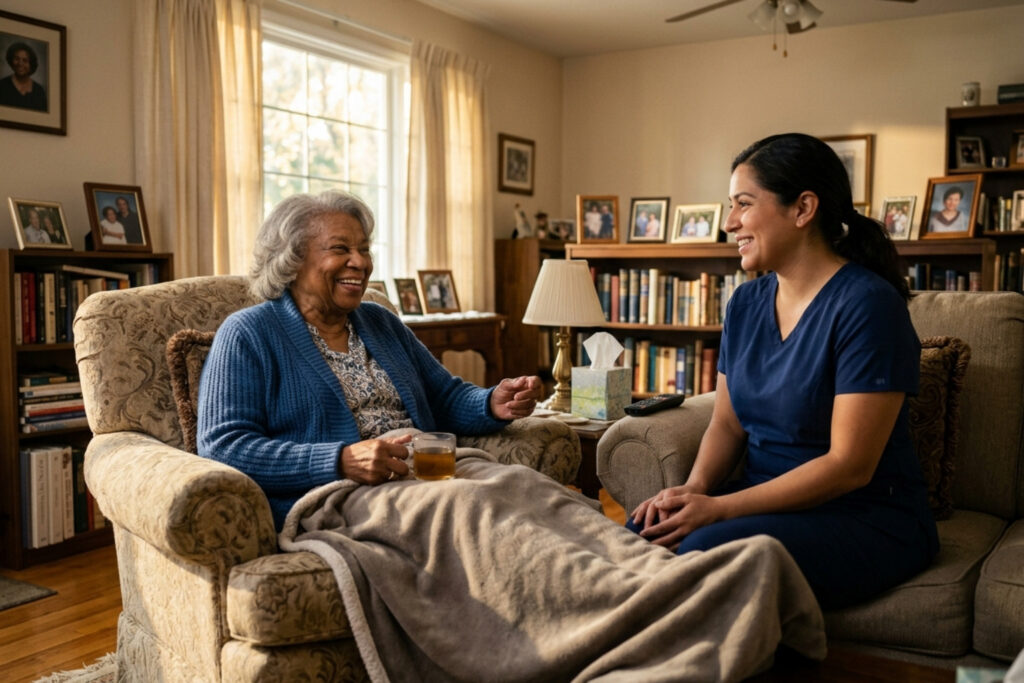
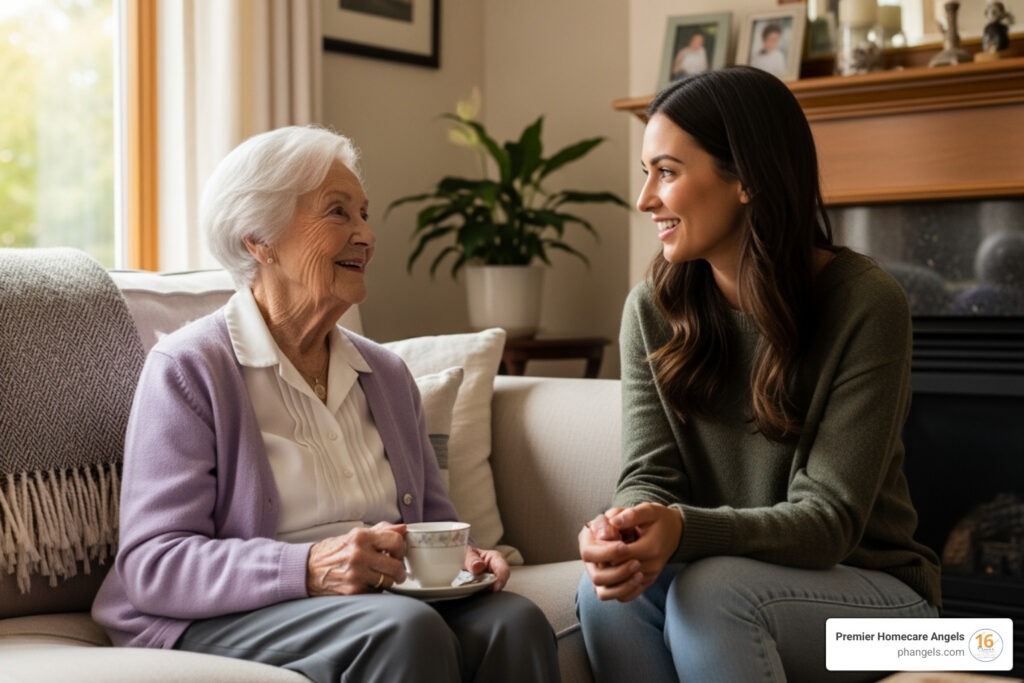
Imagine a loved one who struggles to carry groceries or prepare a nutritious meal. Our caregivers can step in to assist with shopping, cooking, and even light housekeeping, ensuring a clean and organized living space. Beyond the practical tasks, the human connection is paramount. Companion care involves social interaction, engaging in hobbies, and simply being there to share a conversation over a cup of tea. It’s about building a trusting relationship that enriches their daily experience. We believe in providing personalized, compassionate support that truly makes a difference.
To dig deeper into the essence of this connection, explore [The Heart of Home: A Deep Dive into Non-Medical Companion Care Services](https://phangels.com/the-heart-of-home-a-deep-dive-into-non-medical-companion-care-services/).
What is Non-Medical Home Care?
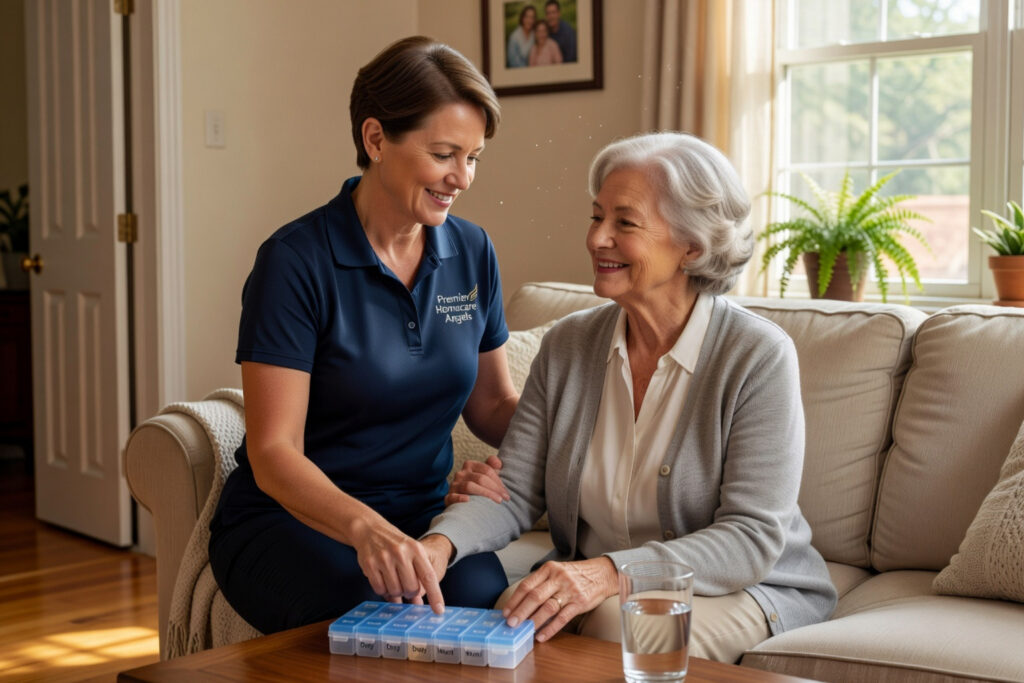
At its core, non medical home care focuses on assisting with Activities of Daily Living (ADLs) and Instrumental Activities of Daily Living (IADLs). These are the everyday tasks that many of us take for granted but can become challenging with age, illness, or disability. ADLs include fundamental self-care tasks like bathing, dressing, grooming, eating, using the toilet, and transferring (moving from bed to chair). IADLs encompass more complex activities that allow an individual to live independently, such as meal preparation, light housekeeping, managing medications, running errands, and transportation.
What sets non medical home care apart is its non-clinical nature. Our caregivers do not administer medications, provide injections, or perform wound care. Instead, their support is centered around maintaining safety, comfort, and overall well-being. This includes ensuring a hazard-free home environment, providing gentle reminders for medication, and offering companionship to prevent loneliness and isolation. It’s about supporting a holistic quality of life, allowing individuals to age in place with dignity and joy.
For a more comprehensive overview, [More info about Home Care Services](https://phangels.com/home-care-services/) is available.
What are the Different Types of Non-Medical Home Care Services?
The beauty of non medical home care lies in its versatility and ability to be custom to individual needs. We offer a range of services designed to provide comprehensive support:
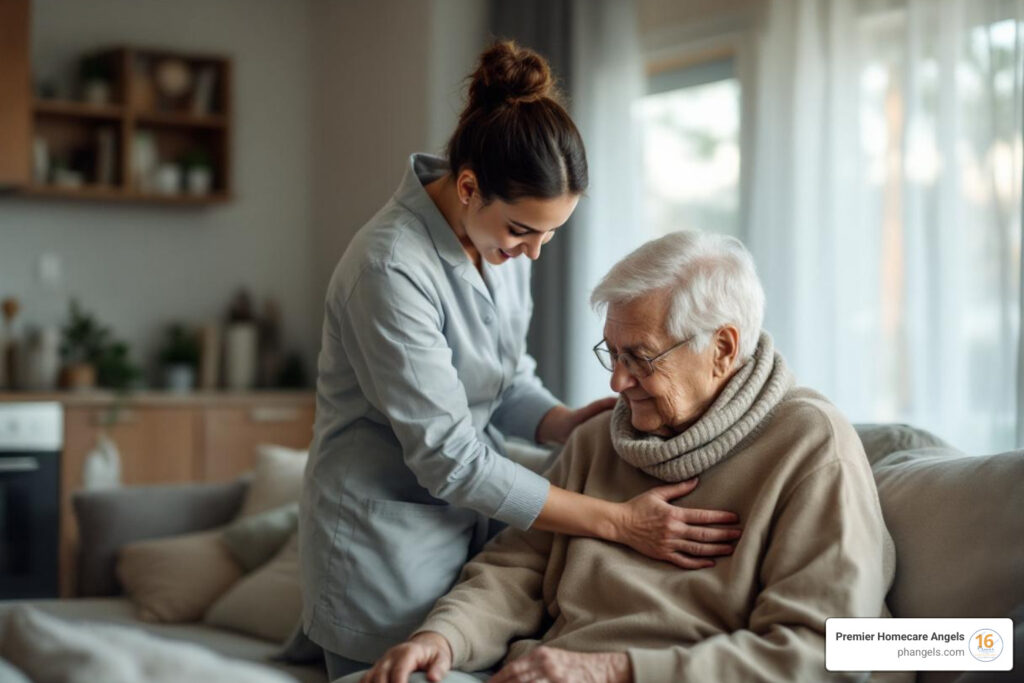
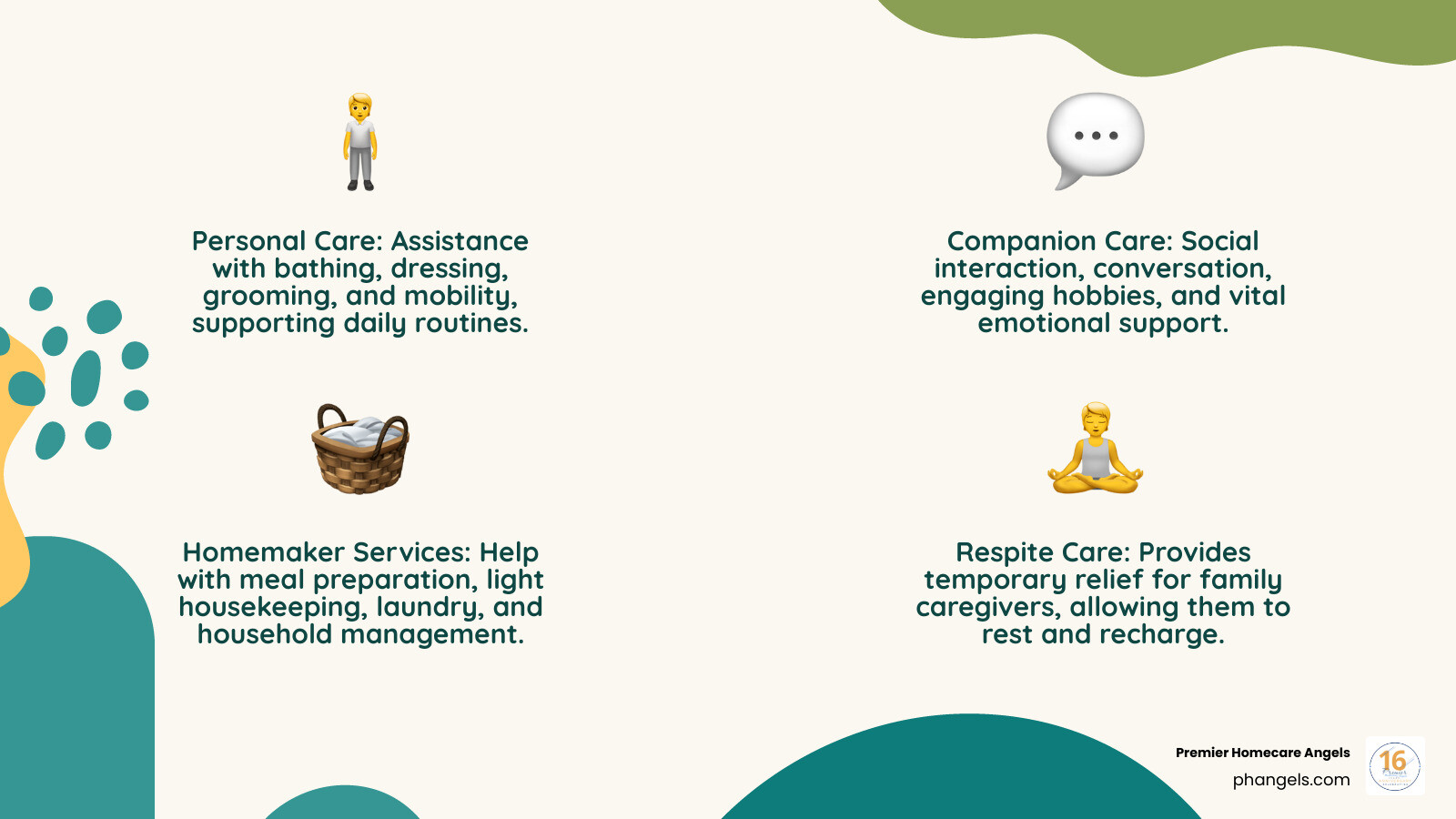
- Personal Care: This includes hands-on assistance with essential daily routines such as bathing, showering, dressing, grooming, toileting, and mobility support (e.g., transferring from bed to chair, walking assistance). Our caregivers are trained to provide this support with utmost respect for privacy and dignity.
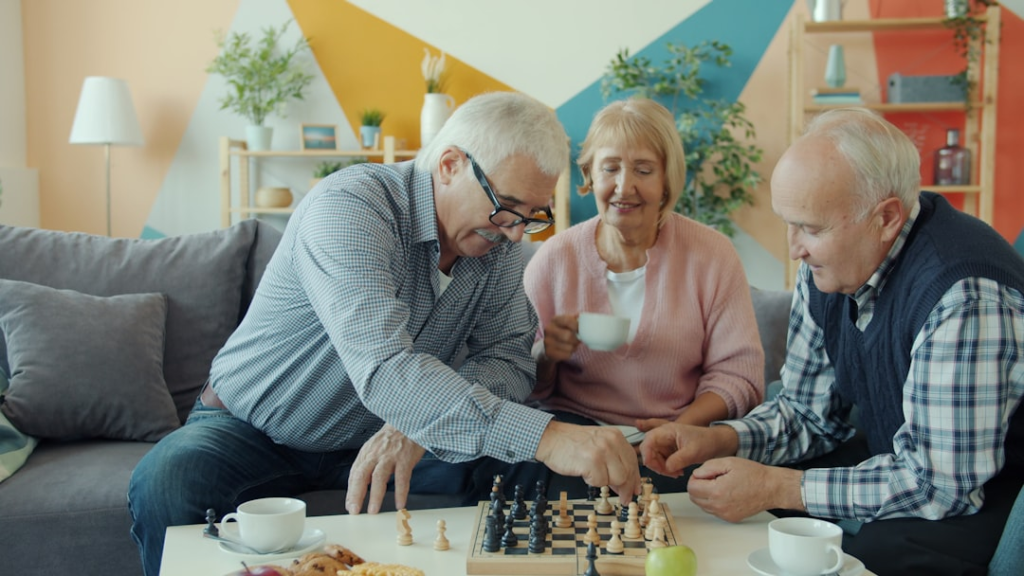
- Companion Care: Sometimes, what’s needed most is a friendly face and a listening ear. Companion care provides social interaction, engaging in hobbies, reading aloud, playing games, and accompanying clients on outings. It’s vital for combating feelings of loneliness and isolation, which studies show can significantly impact health.
- Homemaker Services: Maintaining a tidy and functional home environment is crucial for safety and comfort. These services include light housekeeping (dusting, vacuuming, tidying), laundry, changing bed linens, and meal preparation. Our caregivers can also assist with grocery shopping and ensure the kitchen is stocked with nutritious food.
- Transportation: For many seniors, losing the ability to drive can feel like a loss of independence. Our caregivers can provide safe transportation to medical appointments, social engagements, shopping trips, and other errands, ensuring they stay connected to their community and maintain their schedule.
- Respite Care: Family caregivers are heroes, but even heroes need a break. Respite care offers temporary relief, allowing primary caregivers to rest, run errands, or attend to personal needs, knowing their loved one is in capable and caring hands. This can range from a few hours to several days, preventing caregiver burnout.
- Lifestyle Support: Beyond the basics, we strive to support our clients’ individual lifestyles. This can include assistance with pet care, organizing mail, light gardening, or simply ensuring they can continue with their favorite routines and activities.
Non-Medical Home Care vs. Other Types of Support
It’s important to distinguish non medical home care from other forms of in-home support, particularly skilled home health care. While both aim to support individuals at home, their scope and focus differ significantly.
| Feature | Non-Medical Home Care | Skilled Home Health Care (Medical Home Care) |
|---|---|---|
| Type of Caregiver | Certified Home Care Aides, Personal Care Assistants, Companions | Registered Nurses (RNs), Licensed Practical Nurses (LPNs), Physical/Occupational/Speech Therapists |
| Services Provided | Assistance with ADLs & IADLs (bathing, dressing, meal prep, light housekeeping, companionship, transportation) | Medical tasks (wound care, injections, medication administration, physical therapy, speech therapy, disease management) |
| Prescription Required | No medical orders or prescriptions needed | Requires a doctor’s order or prescription |
| Payment Sources | Private pay, Long-Term Care Insurance, Veterans benefits, Medicaid waivers | Medicare, Medicaid, Private Health Insurance |
The Role of Other In-Home Support Services (for context)
While our focus is on non medical home care, we understand that some individuals may require medical care at home. This typically falls under skilled home health care, which involves licensed professionals. For instance, a physical therapist might help someone regain strength after a fall, or a nurse might manage complex wound care. These services often require a doctor’s prescription and are usually covered by health insurance or government programs like Medicare, specifically when skilled services are needed, usually following surgery or an acute care stay in a hospital.
It is crucial to understand that Premier Homecare Angels specializes exclusively in non medical home care. We do not provide skilled nursing, physical therapy, occupational therapy, or any other medical services that require a licensed medical professional. Our expertise lies in offering compassionate, non-clinical support that improves daily living and promotes independence.
When Non-Medical Support is the Right Choice
So, when is non medical home care the ideal solution? It’s the right choice when the primary need is assistance with daily tasks, companionship, and maintaining a safe and comfortable living environment, rather than direct medical treatment.
Consider these scenarios:
- Companionship: If a loved one is experiencing loneliness or social isolation, companion care can provide much-needed human connection and engagement. We know that social isolation and loneliness in older adults can lead to a higher risk of mortality. Having a friendly face around can make a world of difference.
- Assistance with Daily Tasks: When activities like bathing, dressing, meal preparation, or light housekeeping become difficult but don’t require medical intervention, non medical care offers practical support. This allows individuals to conserve their energy for activities they enjoy.
- Maintaining Independence: For seniors who wish to
[age in place](https://phangels.com/considering-homecare/)and retain control over their lives, non medical care provides the necessary support to do so safely and comfortably. It’s about enabling them to live on their own terms for as long as possible. - No Medical Orders Required: Unlike skilled home health care, non medical services don’t necessitate a doctor’s prescription, making them more accessible and flexible to arrange based on evolving needs.
- Long-Term Support: Often, non medical care is a long-term solution, evolving with the individual’s needs over time. It provides consistent, reliable support that adapts as circumstances change, ensuring continuous comfort and safety.
The Transformative Benefits of In-Home Support
The decision to opt for non medical home care is often driven by a desire for a better quality of life. The benefits extend far beyond practical assistance, creating a positive ripple effect for both the care recipient and their family.

For the Care Recipient
For individuals receiving care, the advantages are profound:
- Maintained Independence: The ability to stay in one’s own home, surrounded by cherished memories and familiar routines, is invaluable. It fosters a sense of autonomy and self-worth.
- Comfort of Familiar Surroundings: There’s no place like home! Being in a comfortable, known environment can reduce stress, anxiety, and confusion, especially for those with cognitive challenges like dementia.
- Personalized One-on-One Attention: Unlike facility-based care, non medical home care offers undivided attention. Care plans are custom precisely to the individual’s preferences and needs, ensuring truly personal support.
- Reduced Risk of Social Isolation: Our companion care services directly address loneliness, which can have significant health impacts. Regular interaction, engaging activities, and shared moments keep spirits high and minds active.
- Improved Quality of Life: By alleviating the burden of daily tasks and providing companionship, non medical home care allows individuals to focus on what truly matters to them, whether it’s hobbies, family time, or simply enjoying their day. Many seniors report the many benefits of homecare, including increased happiness and well-being. You can explore these further in
[The Many Benefits of Homecare Reported by Seniors](https://phangels.com/the-many-benefits-of-homecare-reported-by-seniors/).
For the Family and Caregivers
The benefits for family members and primary caregivers are equally significant:
- Peace of Mind: Knowing that a loved one is safe, well-cared for, and happy in their own home provides immense relief. This peace of mind allows family members to focus on their own lives without constant worry.
- Reduced Caregiver Burnout: Family caregiving can be incredibly demanding, leading to stress, exhaustion, and burnout. Non medical home care, particularly through respite services, offers much-needed breaks, allowing family caregivers to recharge and maintain their own health. Resources like the
[ARCH National Respite Locator](https://archrespite.org/caregiver-resources/respitelocator/)can help families find support. - Flexible Scheduling: Our services are designed to fit the family’s schedule and the client’s needs, whether it’s a few hours a week or more extensive support. This flexibility ensures that care is always available when and where it’s needed.
- Professional Support: Our experienced caregivers bring a wealth of knowledge and a compassionate approach. They are trained to handle various situations, providing expert care and a supportive presence. This professional help eases the burden on family members, allowing them to resume their roles as sons, daughters, or spouses.
Navigating the Costs and Financial Assistance
Understanding the financial aspects of non medical home care is a crucial step for many families. While it represents an investment in a loved one’s well-being and independence, it can often be more cost-effective than other care options.
What are the Costs Associated with Non-Medical Home Care?
The costs for non medical home care can vary based on several factors, including:
- Hourly Rates vs. Live-in Care: Most services are billed hourly, with rates fluctuating based on the specific services required and the time of day (e.g., nights or weekends might have different rates). Live-in care, where a caregiver resides in the home, typically involves a daily rate and can be a more economical option for those needing continuous presence.
- Location: As with most services, costs can vary significantly by geographic location. In the Bay Area, for example, costs may be higher than in other regions due to the general cost of living.
- Level of Service: More intensive personal care needs (e.g., assistance with bathing, dressing) may be priced differently than purely companion services or light housekeeping. The more specialized or hands-on the care, the higher the cost per hour may be.
It’s worth noting a significant financial insight: non medical home care can be 20-30% less expensive than assisted living facilities or nursing homes. This cost-effectiveness, combined with the preference of over 90% of seniors to age in place, makes home care an attractive option for many families in Alameda, Oakland, Berkeley, and throughout the Bay Area.
Financial Assistance and Payment Options
While many families use private pay for non medical home care, several options can help offset the costs:
- Private Pay: This is the most common method, where families pay directly for services out-of-pocket.
- Long-Term Care Insurance: If a loved one has a long-term care insurance policy, it may cover a portion or all of the costs for non medical home care services, depending on the policy’s terms and conditions. We recommend reviewing policies carefully to understand coverage details.
- Veterans Benefits: Eligible veterans and their surviving spouses may qualify for Aid & Attendance benefits, which can provide financial assistance for in-home care. We can help guide families toward resources for understanding these benefits.
- Medicaid Waivers: In some cases, state Medicaid programs may offer waivers that cover non medical home care services for eligible individuals who meet specific financial and medical criteria. These programs vary by state, so research California’s specific offerings.
For more general [Information on long-term care from Medicare](https://www.medicare.gov/coverage/long-term-care), you can consult the official Medicare website. However, Medicare typically covers skilled home health care and not long-term non medical home care.
How to Choose the Right Provider and Arrange Care
Selecting the right non medical home care provider is a pivotal decision that impacts a loved one’s comfort, safety, and overall well-being. It’s about finding a partner you can trust to deliver compassionate and effective care.
Finding the Right Non-Medical Home Care Provider
We encourage families to be thorough in their search to ensure they find the best fit for their unique needs in the Bay Area. Here are key factors to consider:
- Agency Credentials and Licensing: Verify that the agency is licensed and bonded in California. This ensures they meet state-mandated standards and provides a layer of protection.
- Caregiver Screening Process: Inquire about their hiring process. Do they conduct thorough background checks, including criminal history and reference checks? Are caregivers drug-tested? We believe in rigorous screening to ensure peace of mind.
- Training and Experience: Ask about the training caregivers receive. Are they trained in specific areas like dementia care, mobility assistance, or first aid? Experience with similar client needs is also a plus.
- Checking References: Always ask for and contact references from other clients. This provides invaluable insight into the agency’s quality of care and reliability. You can also check with organizations like the Better Business Bureau.
- Asking the Right Questions: Don’t hesitate to ask about how they handle emergencies, their communication protocols, and how they ensure compatibility between caregivers and clients. A reputable agency will welcome your questions.
To find providers in your area, you can use the [National Association for Home Care & Hospice locator](https://agencylocator.nahc.org/).
Customizing Care for Specific Needs
One of the greatest strengths of non medical home care is its adaptability. Care plans are never one-size-fits-all; they are carefully crafted to address individual challenges and preferences.
- Dementia and Alzheimer’s Care: For clients with cognitive impairments, consistency and a familiar environment are crucial. Our caregivers are trained to provide patient, compassionate support, engaging clients in mentally stimulating activities, managing routines to reduce confusion, and ensuring a safe space. We understand the nuances of
[Dementia Care in Alameda, CA](https://phangels.com/dementia-care-in-alameda-ca/)and other Bay Area communities, and offer specialized support. - Chronic Illness Support: Living with chronic conditions like diabetes or Parkinson’s requires consistent daily support. Our caregivers can assist with medication reminders, meal preparation custom to dietary needs, mobility support, and ensuring comfort, helping to manage symptoms and improve daily life. For instance, we offer
[Parkinsons Care in Alameda, CA](https://phangels.com/parkinsons-care-in-alameda-ca/)and[Diabetes Care in Alameda, CA](https://phangels.com/diabetes-care-in-alameda-ca/). - Post-Hospitalization Transitional Care: The period immediately following a hospital stay can be vulnerable. Our transitional care services help bridge the gap, providing support with daily tasks, medication reminders, and ensuring a smooth recovery process at home, preventing readmissions. We offer
[Transitional Support in Alameda, CA](https://phangels.com/transitional-support-in-alameda-ca/)and other nearby areas. - Creating a Personalized Care Plan: We work closely with families and clients to develop a personalized care plan that outlines specific needs, preferences, and goals. This plan is flexible and can be adjusted as circumstances change, ensuring that care always aligns with the individual’s evolving requirements.
Key Considerations When Arranging Services
Once you’ve identified potential providers, arranging services involves a few key steps to ensure a smooth and effective start:
- Initial Assessment: A thorough in-home assessment by the agency is vital. This allows them to understand the client’s needs, living environment, and personality, which is crucial for matching the right caregiver.
- Creating a Contract: A clear, written contract should outline all services, schedules, costs, payment terms, and cancellation policies. Read it carefully and ask questions until everything is understood.
- Communication Plan: Establish clear lines of communication with the agency and caregiver. How will updates be shared? Who is the point of contact for questions or concerns?
- Emergency Procedures: Ensure the agency has robust emergency protocols in place. What happens if a caregiver is sick? What is the plan in a medical emergency?
- Compatibility with Caregiver: The relationship between a client and caregiver is deeply personal. A good agency will prioritize finding a caregiver whose personality and approach are a good match for your loved one. Don’t be afraid to request a different caregiver if the initial match isn’t working.
Conclusion
Non medical home care is more than just a service; it’s a philosophy that champions independence, dignity, and the profound comfort of aging in place. We’ve explored its comprehensive scope, from personal care and companionship to homemaker services and respite. We’ve seen how it stands apart from medical care, offering essential support without clinical interventions, and how it transforms lives for both care recipients and their loving families.
The statistics speak for themselves: over 90% of seniors prefer to remain in their homes, and non medical home care makes that preference a safe and joyful reality. It’s about empowering seniors to live with autonomy, surrounded by their cherished memories, while providing families with the invaluable peace of mind that comes from knowing their loved ones are receiving compassionate, personalized support.
At Premier Homecare Angels, we are dedicated to delivering quality care that allows seniors in Albany, Alameda, Hayward, Oakland, Berkeley, Piedmont, Lafayette, Emeryville, Kensington, Pleasanton, San Leandro, Walnut Creek, Castro Valley, and El Cerrito to remain securely in their familiar environments. We treat every client like family, ensuring they receive the custom support they need to thrive.
If you’re considering how non medical home care can benefit your loved one, we invite you to [Take the next step and learn more about our in-home care services in Alameda, CA](https://phangels.com/in-home-care-in-alameda-ca/). We’re here to help you steer this journey with warmth, expertise, and a commitment to exceptional care.