
Why Non-Medical Companion Care Matters for Aging at Home
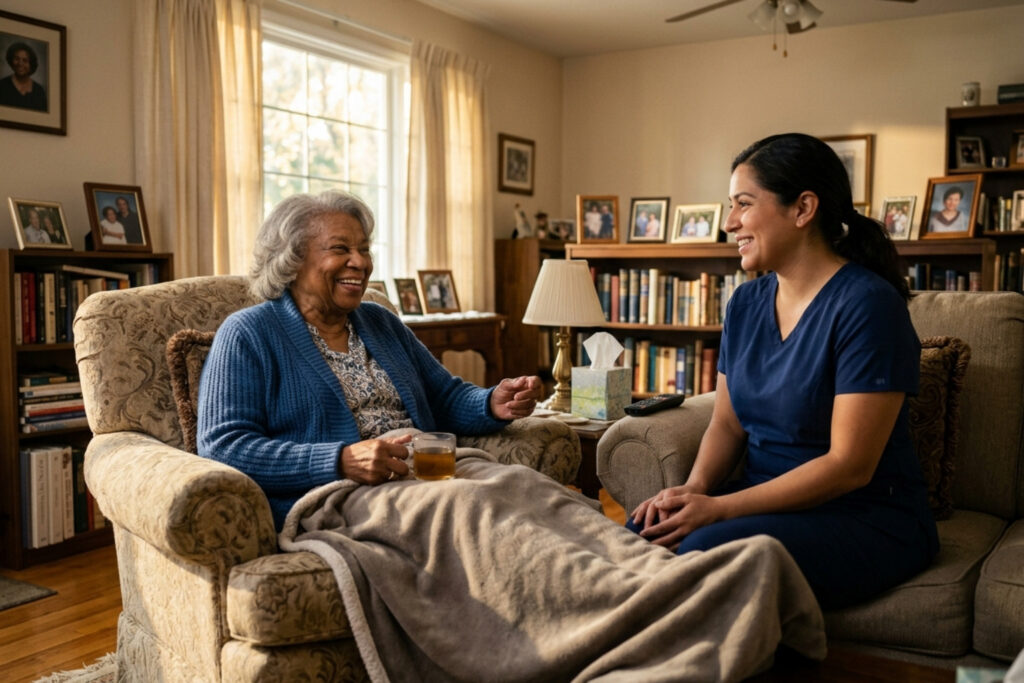
Non medical companion care is a type of in-home support service that provides seniors with companionship, assistance with daily activities, and household help—without involving medical or clinical procedures. It focuses on helping older adults maintain their independence, dignity, and quality of life in the comfort of their own homes.
What Non-Medical Companion Care Includes:
- Companionship and conversation to combat loneliness and isolation
- Light housekeeping such as tidying, laundry, and meal preparation
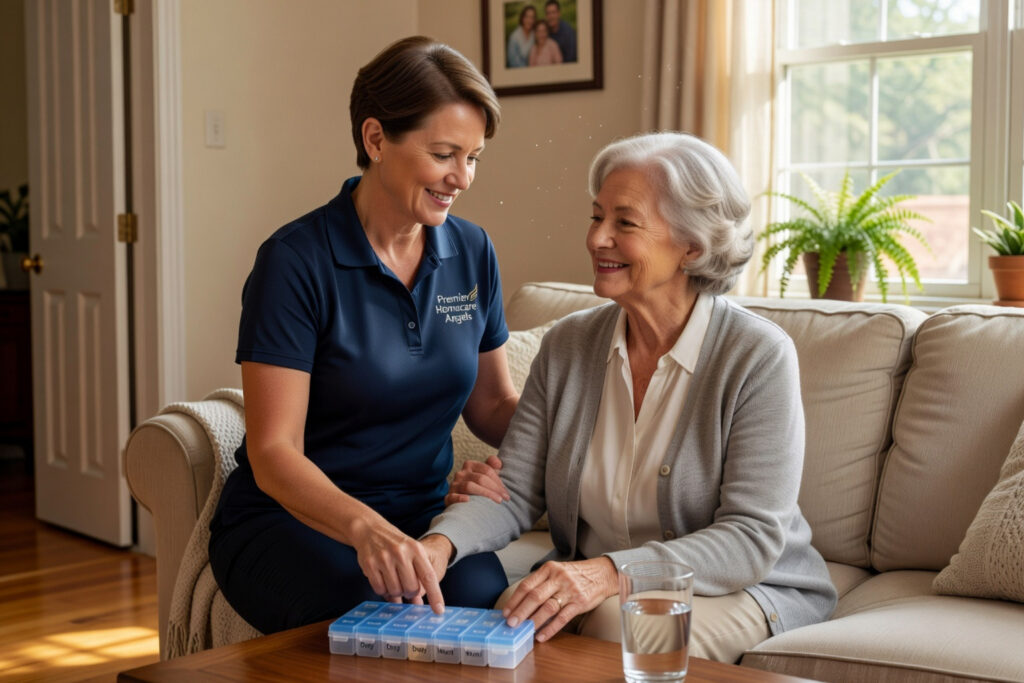
- Medication reminders (but not administration)
- Transportation to appointments, errands, or social events
- Personal care assistance like bathing, dressing, and grooming
- Safety supervision to prevent falls and accidents at home
What It Does NOT Include:
- Skilled nursing or medical procedures
- Administering medications or injections
- Wound care or monitoring vital signs
- Any clinical or invasive services
For many families in the Bay Area, the question isn’t if their loved one needs help—it’s what kind of help is right. With 90% of seniors planning to remain in their homes as they age, non medical companion care has become a vital bridge between full independence and medical intervention.
The reality is that aging doesn’t always require a hospital bed or a nurse. Often, what seniors need most is someone to share a meal with, help with grocery shopping, or provide a steady hand getting in and out of the shower. That’s where non medical companion care shines. It’s about preserving the everyday rhythms of life while ensuring safety, comfort, and connection.
For family caregivers juggling work, kids, and the emotional weight of watching a parent struggle, this kind of support isn’t just helpful—it’s transformative. It offers peace of mind, knowing a compassionate professional is there when you can’t be.
Defining Non-Medical Companion Care: More Than Just a Helping Hand
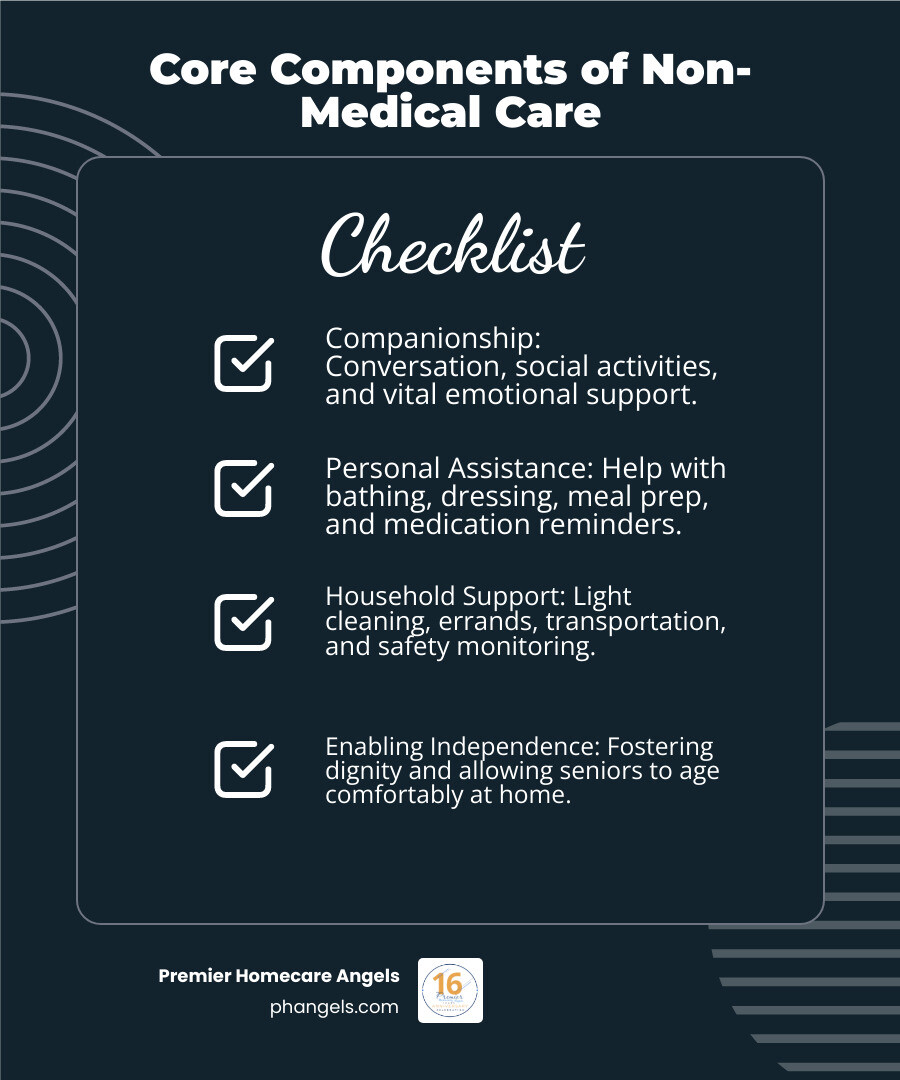
When we talk about non medical companion care, we’re referring to a broad spectrum of services designed to support seniors and individuals with disabilities in their daily lives, right within the comfort and familiarity of their own homes. It’s fundamentally about enabling independence and enhancing quality of life without crossing into the field of clinical medical procedures.
This type of care encompasses assistance with both Activities of Daily Living (ADLs) and Instrumental Activities of Daily Living (IADLs). ADLs are basic self-care tasks like bathing, dressing, eating, and mobility. IADLs are more complex activities necessary for independent living, such as meal preparation, managing finances, and transportation. Beyond these practical tasks, a core component of non medical companion care is providing crucial emotional support and social interaction, which are often overlooked but vital for overall well-being and home safety.

What Services Are Included?
Our non medical companion care services are custom to meet the unique needs and preferences of each individual we serve in the Bay Area. We understand that every senior has a different routine, different interests, and different levels of independence. Here’s a closer look at the specific types of daily tasks and activities we typically cover:
- Companionship and Conversation: At the heart of our services is genuine companionship. This means engaging in stimulating conversation, sharing stories, listening actively, and simply being a friendly presence. It’s about fostering a bond that enriches daily life.
- Meal Preparation: We assist with planning nutritious meals, preparing them according to dietary needs or preferences, and ensuring proper nutrition monitoring. From a simple breakfast to a hearty dinner, we make sure our clients enjoy delicious and healthy food.
- Light Housekeeping: Maintaining a clean and tidy home environment is essential for comfort and safety. Our caregivers can help with light tidying, laundry, making and changing bed linens, and taking out the garbage.
- Medication Reminders: While we cannot administer medication, we provide gentle reminders to ensure clients take their prescribed medications on schedule, helping them manage their health regimen effectively.
- Errands and Shopping: We can assist with grocery shopping, picking up prescriptions, and running other essential errands, allowing seniors to maintain access to necessary supplies without the stress of navigating stores alone.
- Transportation to Appointments: For those who no longer drive, we offer safe and reliable transportation to doctor’s appointments, therapy sessions, social engagements, or even a trip to the local park.
- Assistance with Hobbies and Social Activities: We encourage and facilitate engagement in favorite hobbies, games, and activities. Whether it’s playing cards, reading aloud, or assisting with email and social media to connect with loved ones, we strive to keep spirits high and minds active.
- Safety Supervision: A vigilant presence can prevent falls and accidents. Our caregivers provide watchful oversight, ensuring the home environment remains safe and secure.
- Personal Care: For many, assistance with personal care tasks is vital. This includes help with bathing, grooming, dressing, toileting, and transferring from bed to wheelchair. We prioritize dignity and comfort in all personal care assistance.
Non-Medical Companion Care: A Clear Distinction
It’s crucial to understand the difference between non medical companion care and medical home health care. While both are provided in the home, their scope and the qualifications of their providers are distinct. We focus entirely on non-medical support, designed to maximize independence and quality of life.
| Feature | Non-Medical Home Care | Medical Home Health Care |
|---|---|---|
| Primary Focus | Companionship, daily living assistance, household support | Skilled nursing, therapy, medical treatment |
| Services Included | Personal care (ADLs), meal prep, housekeeping, errands, transportation, medication reminders, social engagement | Wound care, injections, physical therapy, occupational therapy, speech therapy, medication administration, vital sign monitoring |
| Provider | Trained caregivers, home care aides | Registered Nurses (RNs), Licensed Practical Nurses (LPNs), Physical Therapists, Occupational Therapists, Doctors |
| Requirement | Client needs assistance with daily tasks/companionship | Doctor’s order, often for illness/injury recovery, homebound status |
| Goal | Maintain independence, improve quality of life, prevent isolation | Recover from illness/injury, manage chronic conditions, rehabilitate |
Understanding the Limitations: What a Companion Can and Cannot Do
To ensure the safety and proper care of our clients, it’s vital to clearly define the boundaries of non medical companion care. Our caregivers are highly trained professionals, but their role is strictly non-clinical.
Here’s what our non medical companion care providers can and cannot do:
- Can Provide: Assistance with personal care (bathing, dressing), meal preparation, light housekeeping, errands, transportation, medication reminders, and, most importantly, companionship and social engagement. They monitor the elder’s condition regularly and provide updates to family members.
- Cannot Provide: Our caregivers are not medical professionals. This means they cannot:
- Administer medications (they can only offer reminders).
- Give injections.
- Perform wound care or change sterile dressings.
- Monitor vital signs (like blood pressure or temperature) as a medical intervention.
- Engage in any clinical or invasive medical procedures.
- Offer medical advice or diagnoses.
We believe in setting clear expectations upfront. Our commitment is to provide compassionate, high-quality non-medical support that empowers seniors to live safely and comfortably at home, while also knowing when medical needs require the expertise of licensed healthcare professionals.
The Holistic Benefits for Seniors and Their Families
The advantages of non medical companion care extend far beyond simple task assistance. It’s a holistic approach that significantly improves the well-being of seniors and offers invaluable support to their families. This type of care fosters an environment where seniors can thrive, reducing the risk of falls and improving their social engagement, all while providing much-needed relief for family caregivers.
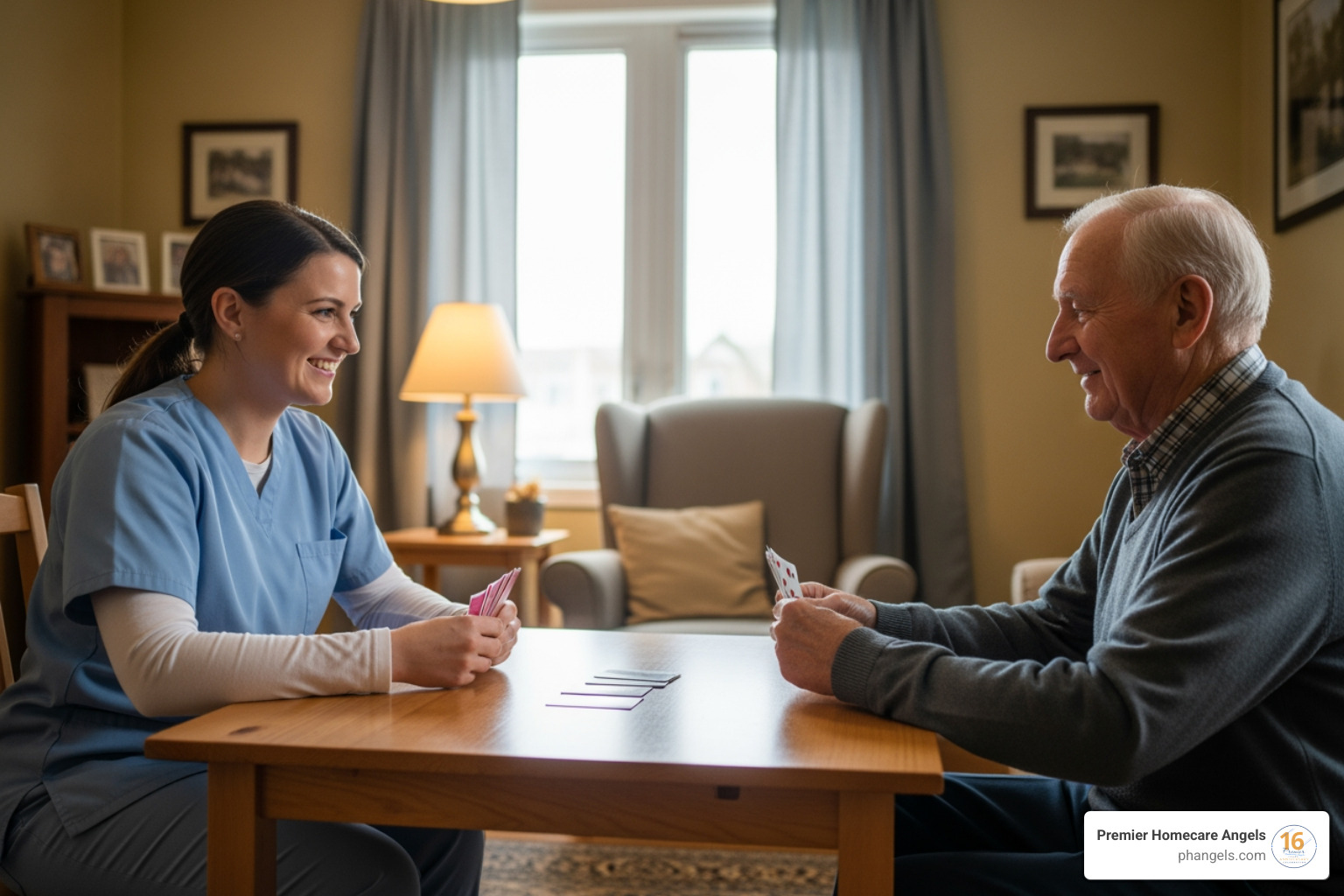
The Benefits of Non-Medical Companion Care for Seniors
For seniors in the Bay Area, remaining in their cherished homes is often a top priority. Non medical companion care makes this possible by addressing the various challenges that can arise with age.
- Maintaining Independence: By providing support with daily tasks, we empower seniors to continue living autonomously in their familiar environments. This personalized one-on-one attention ensures they receive exactly the help they need, when they need it, without compromising their sense of self-reliance.
- Staying in a Familiar Environment: The comfort and security of home are irreplaceable. Our services allow seniors to age in place, surrounded by their memories and routines, which is incredibly beneficial for emotional and cognitive health.
- Improved Nutrition and Hygiene: Regular assistance with meal preparation ensures seniors receive proper nutrition, which is vital for energy and health. Similarly, help with bathing, grooming, and dressing supports personal hygiene, contributing to dignity and preventing health issues.
- Cognitive Stimulation: Engagement in conversations, games, and hobbies helps keep the mind active and alert. This consistent mental stimulation can play a role in preserving cognitive function and overall brain health.
- Increased Safety at Home: A companion provides a watchful presence, helping to identify and mitigate home hazards that could lead to falls or accidents. This regular monitoring offers an extra layer of security, outside of regular medical care, ensuring any changes in condition are noted.
The Power of Companionship: Combating Loneliness and Isolation
One of the most profound benefits of non medical companion care is its ability to combat the silent epidemic of loneliness and social isolation among seniors. The statistics are sobering: the CDC estimates that 1 in 4 adults over 65 is considered socially isolated, and 1 in every 3 adults over 45 feels lonely. This isn’t just about feeling sad; loneliness in seniors significantly increases their risk for premature death, dementia, heart disease, and depression.
Our caregivers aren’t just there to perform tasks; they are there to connect. They offer a listening ear, share laughs, and engage in activities that foster joy and human connection. This consistent social interaction provides immense mental health benefits, reducing the risk of depression and enhancing overall quality of life. Building meaningful relationships with a trusted companion can transform a senior’s day, making them feel valued, understood, and less alone. The presence of a companion can even strengthen the older patient-companion partnership, leading to better communication and understanding, particularly in healthcare settings, as highlighted in research on A Tool to Strengthen the Older Patient–Companion Partnership.
Peace of Mind and Respite for Family Caregivers
Caring for an aging loved one is a labor of love, but it can also be incredibly demanding. Family caregivers often face immense stress, leading to burnout and impacting their own health and relationships. This is where non medical companion care provides a vital lifeline.
- Reducing Caregiver Burnout: By stepping in to handle daily tasks and provide companionship, our caregivers offer family members a much-needed break. This respite allows family caregivers to rest, attend to their own needs, and recharge, making their time with loved ones more meaningful and less strained.
- Providing Respite: Whether it’s for a few hours a week or several days, our services offer flexible respite care that allows family caregivers to take vacations, go to work, or simply have personal time, knowing their loved one is in capable and caring hands.
- Reliable Updates on Loved One’s Condition: We act as an extra set of eyes and ears. Our caregivers consistently monitor the senior’s mental, social, and physical condition, providing regular updates to families. This ensures that any changes or concerns are promptly communicated, offering families invaluable peace of mind.
- Shared Responsibility: Knowing there’s a professional support system in place alleviates the feeling that families have to do it all alone. We become a partner in care, sharing the responsibilities and allowing families to focus on their relationship with their loved one rather than just the tasks of caregiving.
- Increased Family Time Quality: When the burden of daily care tasks is lessened, family visits can become true quality time—filled with conversation, shared meals, and joyful moments, rather than being dominated by chores or stress.
Navigating the Logistics: Costs, Payments, and Eligibility
Understanding the practical aspects of non medical companion care—from costs to payment options and eligibility—is a crucial step for families considering this essential service. We believe in transparency and helping you make informed financial decisions for your loved one’s care.
The Typical Costs of Non-Medical Companion Care
The cost of non medical companion care can vary, but it’s often a more affordable solution compared to assisted living facilities or nursing homes. The national median cost of non medical companion care in the U.S. is approximately $33 an hour. However, this is an average, and rates in the Bay Area can sometimes be higher due to the cost of living.
Several factors influence the overall cost:
- Location: As mentioned, costs can vary significantly by geographic region.
- Level of Care Needed: More intensive personal care or specialized services may incur higher rates.
- Hours of Service: Whether care is needed for a few hours a week, daily, or around-the-clock (live-in care) will impact the total cost.
- Agency Fees: Reputable agencies typically have administrative fees that cover caregiver screening, training, insurance, and supervision.
We encourage families to discuss their specific needs with us to receive a personalized quote custom to their situation.
Exploring Payment Options and Financial Assistance
Most families use private funds to cover the costs of non medical companion care. However, several other options can help make care more accessible:
- Private Pay: This involves using personal savings, retirement funds, or income to pay for services directly.
- Long-Term Care Insurance: Many long-term care insurance policies are designed to cover the costs of non medical companion care, provided certain requirements are met (often needing help with two or more ADLs). We can help you understand if your policy offers this coverage.
- Veterans Benefits: Qualifying veterans and their spouses may be eligible for Aid and Attendance benefits through the Department of Veterans Affairs, which can provide a monthly stipend to help cover the costs of in-home care.
- Employee Assistance Programs: Some employers offer benefits or resources that can help families find and afford care.
Medicare typically does not cover non medical companion care as it focuses on medical care. While Medicare may cover temporary home health care for recovery, it usually won’t pay for companion services unless they are part of a physician-directed home health care plan.
Eligibility for Local and State Programs
While Premier Homecare Angels is a private agency, we want to ensure families are aware of all potential resources. Some state-specific programs, often managed through Area Agencies on Aging, or Medicaid waivers, may offer financial assistance for non medical companion care services to eligible seniors.
Eligibility for these programs generally depends on:
- Functional Impairment: The individual must demonstrate a need for assistance with Activities of Daily Living (ADLs) due to functional limitations.
- Financial Eligibility: Many government programs are means-tested, meaning an individual’s income and assets must fall below a certain threshold to qualify.
- Age or Disability: Programs often have age requirements (e.g., 60 or 65 and older) or are available to individuals with specific disabilities.
We recommend contacting your local Area Agency on Aging or state Department of Aging services to inquire about programs specific to California that might offer support for non medical companion care for eligible residents.
A Practical Guide to Finding and Vetting Your Care Provider
Choosing the right non medical companion care provider is one of the most important decisions you’ll make for your loved one. It requires careful due diligence to ensure you find a compassionate, qualified, and trustworthy caregiver who is the right fit. We understand the weight of this decision, and we’re here to guide you through the process.
Key Considerations When Choosing an Agency
When evaluating potential non medical companion care agencies in the Bay Area, we encourage families to ask thorough questions. Here are the key considerations that should be at the top of your list:
- Licensed and Insured: Ensure the agency is properly licensed by the state of California and carries comprehensive liability insurance. This protects both your loved one and the caregivers.
- Employee Screening Process: Inquire about their caregiver screening process. A reputable agency will conduct rigorous background checks (including criminal history and motor vehicle records), health screenings (like TB tests), and competency tests. Our caregivers are employees, not independent contractors, meaning we handle all employer responsibilities, including taxes, benefits, training, and supervision.
- Caregiver Training and Supervision: Ask about the training programs caregivers receive. Are they continuously educated? How are they supervised? We believe in ongoing professional development and provide 24/7 supervisor and staffing coordinator availability to address any concerns.
- Personality Matching: This is incredibly important for non medical companion care. How does the agency match caregivers with clients? Do they consider personality, interests, and background? We conduct an in-home assessment to understand needs and preferences, then carefully match caregivers to ensure a comfortable and secure relationship.
- Care Plan Customization: Will they develop a personalized care plan custom to your loved one’s specific needs and preferences? Will it be reviewed and adjusted as needs change?
- 24/7 Availability: Can you reach someone at the agency at any time, day or night, for emergencies or scheduling changes?
- Client Reviews and Testimonials: Look for feedback from other families. Online reviews and testimonials can offer valuable insights into an agency’s reputation and quality of service.
How to Find and Vet Qualified Providers
Finding qualified non medical companion care providers involves a systematic approach:
- Seek Referrals: Start by asking for recommendations from healthcare professionals (doctors, hospital discharge planners, social workers), friends, family, or trusted community organizations.
- Use Online Resources: Reputable online directories and referral services can connect you with local home care agencies.
- Contact Local Senior Centers: These centers often have lists of approved providers or can offer guidance on local resources.
- Interview Agencies: Once you have a shortlist, schedule interviews with several agencies. Use the key considerations listed above as your guide. Ask detailed questions about their services, policies, and how they handle challenging situations.
- Meet Potential Caregivers: A crucial step is to arrange an introductory meeting between your loved one and any potential caregivers. This allows you to assess the personality match and ensure comfort. The goal is to find someone your loved one feels comfortable and secure with.
- Check References: Always ask for and diligently check professional references for both the agency and individual caregivers.
- Verify Background Checks: Confirm that comprehensive background checks have been performed on all caregivers.
Taking the time to thoroughly vet providers ensures that your loved one receives safe, compassionate, and high-quality non medical companion care.
Conclusion
In the journey of aging, the desire to remain in the comfort and familiarity of one’s own home is powerful and deeply personal. Non medical companion care stands as a compassionate and practical solution, offering the support needed to make this aspiration a reality. We’ve explored how it bridges the gap between independence and medical intervention, providing essential assistance with daily tasks, crucial social and emotional support, and invaluable peace of mind for families.
From combating the pervasive issue of senior loneliness and isolation to offering much-needed respite for family caregivers, the benefits of non medical companion care are profound and far-reaching. It empowers seniors to maintain their independence, improves their quality of life, and ensures they age with dignity, surrounded by the warmth of their own homes and the care of dedicated companions.
At Premier Homecare Angels, we are committed to delivering quality care that allows seniors in Albany, Alameda, Hayward, Oakland, Berkeley, Piedmont, Lafayette, Emeryville, Kensington, Pleasanton, San Leandro, Walnut Creek, Castro Valley, and El Cerrito to remain securely in their familiar environments. We treat every client like family, providing compassionate, personalized in-home elderly care and companion services. If you or a loved one in the Bay Area could benefit from this vital support, we invite you to reach out.
Find the right support for your loved one with our personalized home care services.